One of the fondest memories which strikes my mind whenever I close my eyes and try to revisit my childhood is of my father carrying me on his shoulder on a dirt road overlooking a river on one side and a paddy farm on the other. Before leaving our house my mother used to smear ghee(clarified butter) on a roti(tortilla), crush jaggery on it, make it as a roll and hand it to me which I used to savour with great enthusiasm while listening to folk tales sitting comfortably on my father’s shoulder. Late at night after dinner, when silence used to seep in and it was time for bed, my mother used to embrace me in her lap and used to sing a lullaby which translates to :-
Uncle moon from far, makes bread with jaggery and flour
Eats himself in expensive plate, makes the kid eat in clay vase..
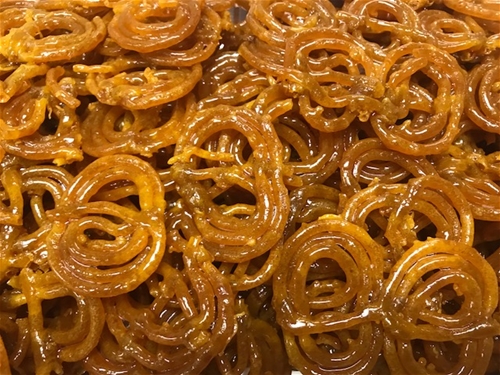
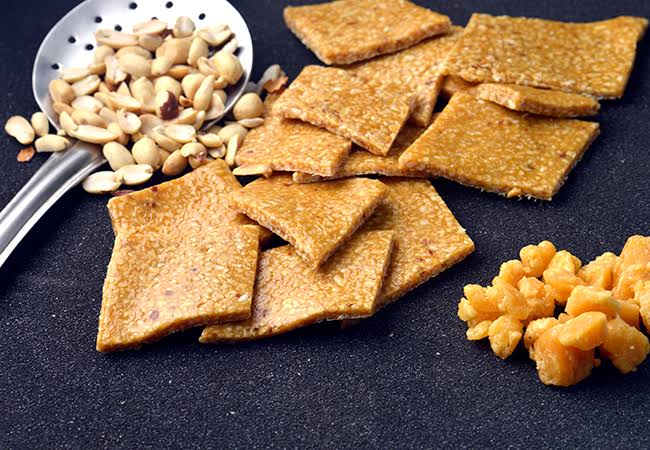
I never understood the context of it but I used to giggle back then and slowly went into a deep sleep in the comfort of my mother’s arms. During summer vacation I used to visit my ancestral village. Whenever I try to remember those scenes, the first image that strikes my mind is of sweet stalls by the side of the road in the main market of the village where a guy sitting by the side of an open clay oven on which a big pot filled with boiling oil is placed. Jalebis (syrup filled flour rings) are being fried in it which is then dipped into jaggery syrup. Adjacent to the guy used to be a closed rack with glass displays where various sweets were racked like rasgullas (cottage cheese balls) dipped in jaggery syrup, gram flour sticks covered with jaggery and fennel seeds to name a few.
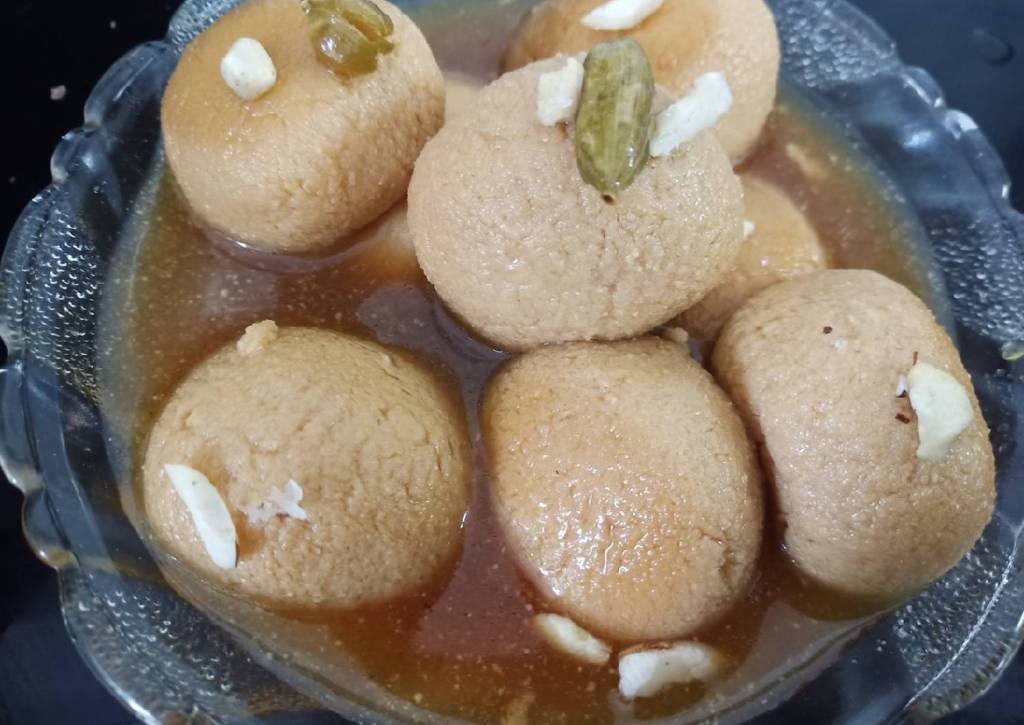
Now that the term jaggery has made multiple appearances in the paragraph above, its evident that I intend to talk about jaggery. Jaggery is a traditional non centrifugal sweetener consumed in Asia. It is obtained by extracting sugarcane juice and plam juice where mollases and crystals are not separated. Jaggery is an integral part of cooking culture in India and other South Asian countries like Myanmar, Sri Lanka, Pakistan, and Nepal. Talking in context of India, jaggery is used in various dishes both sweet and savoury across the length and breadth of the country. For example in the month of January, a festival of Makar Sakranti is celebrated all over India in respect of a good harvesting season and jaggery is a key ingredient. It is used in cooking during this time, like rice pudding with jaggery as a sweetener known as Kheer in North India and Payasam in South India. In North India, flaked rice and yogurt is consumed with Jaggery to celebrate this festival. Different kinds of sweets like sesame seed with jaggery, puffed rice with jaggery, cashew nuts with jaggery and so on are made across the country. In the western state of Rajasthan and Punjab, sweet rice is made by boiling rice and adding Jaggery to it. In the state of Maharashtra and Gujarat, flat bread stuffed with boiled lentils and jaggery is known as Puran poli. In Gujarat they also put jaggery in their vegetable curries and lentil soups as they believe it enhances the flavour and give them a sweet and savoury taste. In the eastern coastal state of Odisha and Bengal, they prepare rice dumplings stuffed with jaggery and grated coconut in it known as Pitha. In state of Bengal, Rasgulla (cottage cheese balls) dipped in sugar or jaggery syrup is quite famous and is a kind of identity of the people belonging to that state. In the north eastern state of Assam they prepare a kind of tea which makes use of Jaggery in it as a sweetener and is quite famous among locals. In southern states of Tamil Nadu, Karnataka and Kerala they put jaggery in sambhar (vegetable and lentil soup) to tone down the pungentness of spices used in it. In the ravines of Chambal, Central India, which is infamous for bandits (outlaws), jaggery is one of the only few sweeteners available to them because of their isolation from the external world. In other uses jaggery is used to make toffees, pumpkin jaggery cake, cashew jaggery cake, etc. It is also used in making rum and palm wine.
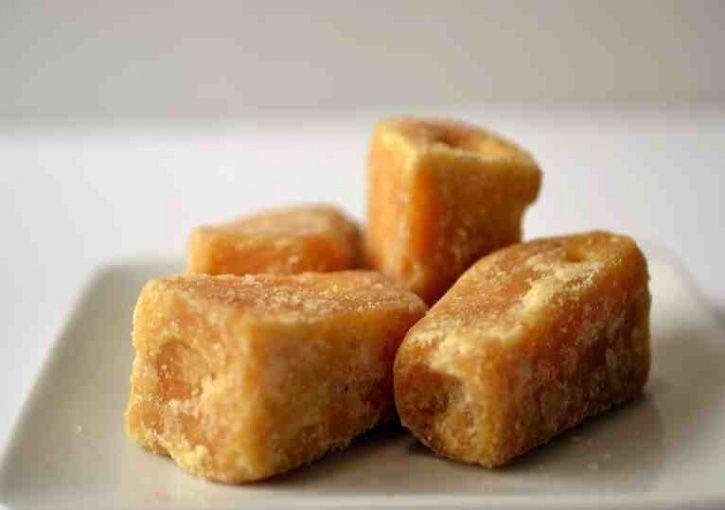
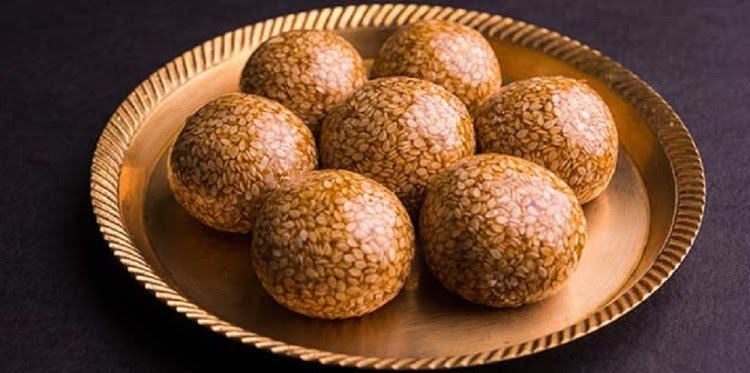
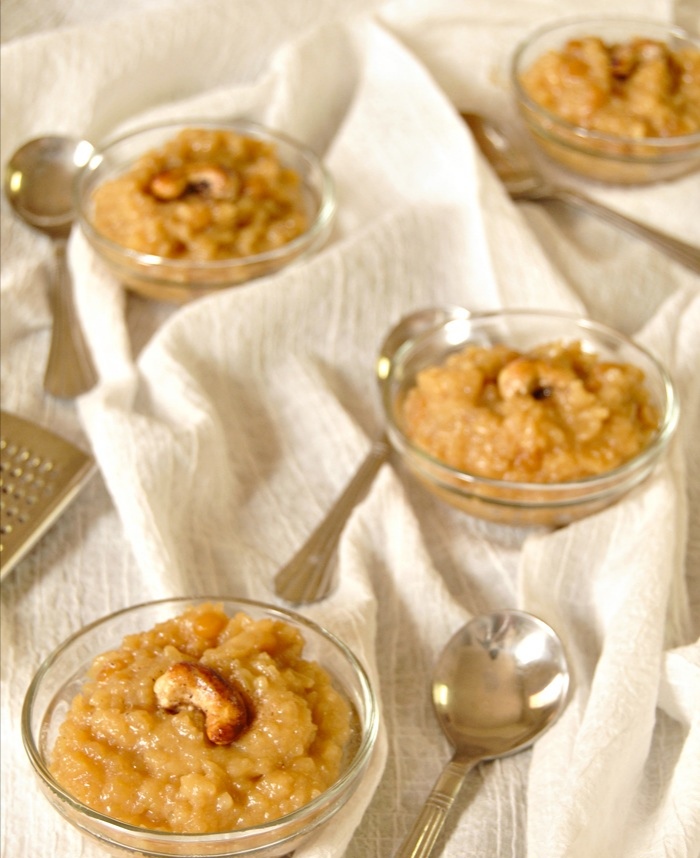
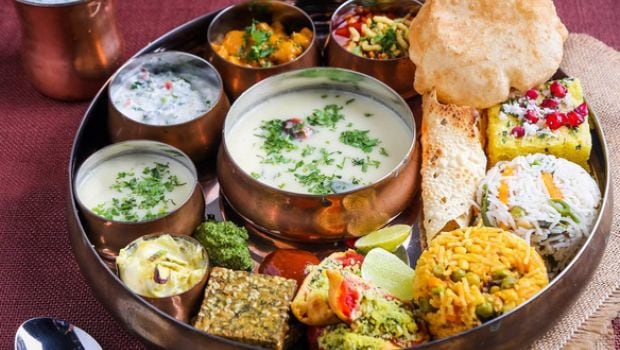
So how is jaggery made?
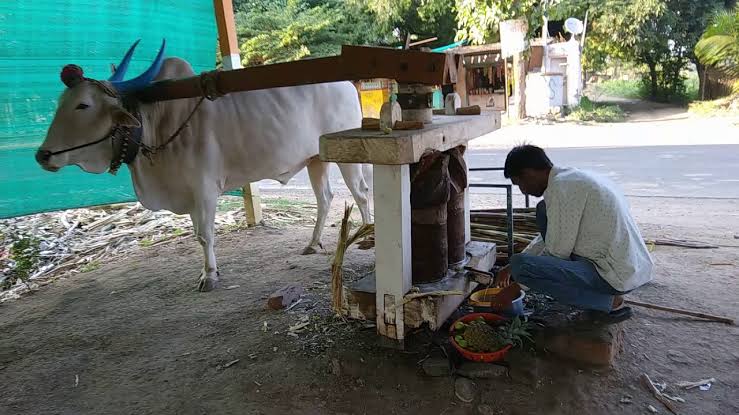
I remember in my childhood visiting my Aunt’s house. Adjacent to her house there was an open area with a few trees. Below one mango tree there was a setup of two adjacent cylindrical stones mounted on a plank with a rotating axis fixed to a plank. The plank was connected with a wooden arm which was tied to an oxen. With the movement of the oxen, the cylindrical stones used to rotate along its axis and sugarcane sticks were placed in between the two rotating stones to grind sugarcane and extract the juice out of them. The juice was then collected in a container placed below the setup and it was filtered afterwards using a cloth piece to separate robust impurities. Once the clear juice was separated, it was then poured into a huge container with flat base and placed on a brick oven out in the open. There, it was boiled and the end result looked like brown paste which was then cooled to make jaggery cakes. This used to be the traditional way of making jaggery but this kind of setup is rare to find now. Earlier farmers used to produce jaggery independently but are now replaced by huge industrial units that produce different types of jaggery on an industrial scale.
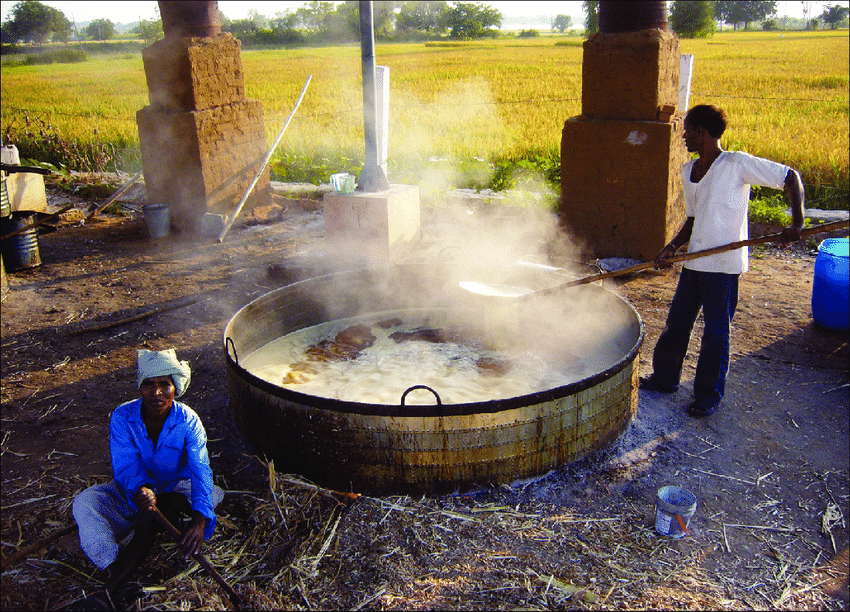
Jaggery is not just an important part of cooking culture in Asia, it also holds much importance in day to day cultural and religious activities as well. Jaggery is considered to be the purest form of sweetner because no chemicals or animal charcoal, which is used in bleaching sugar, are involved in the preparation of jaggery, so its considered pious. Any kind of religious offerings to dieties which involves sweetner, jaggery is used in it. In Hindu culture, after religious activities, devotees are offered with panchamrit which is made up of five ingredients, jaggery is one of them, the other four are yogurt, cow’s milk, ghee and honey. Even the food made in religious ceremonies which is distributed in society to the general public, any kind of sweet dish involved uses jaggery as sweetner in it. In cultural perspectives, guests in various parts of India, especially rural India, are greeted with a piece of jaggery and cold water to beat the heat. In states where opium is produced, guests are welcomed with a drink made of opium, water and jaggery. In community gatherings in the state of Rajasthan and Haryana, hookah is of great fashion, it is a means of bonding among community members, the tobacco used in those hookahs are mixed with jaggery to give a sweet taste to smoke. Jaggery has been mentioned in ancient texts like Sutra, folklores mentioning different kind of sugars, (one of them written by Kautilya (300BC )) ,in poems metaphoring gentle personality and sweet voice to that of jaggery, even in Mahatma Gandhi’s texts highlighting social issues of farmers where he writes -”According to the medical testimony I have reproduced in these columns, gur (jaggery) is any day superior to refined sugar in food value, and if the villagers cease to make gur as they are already beginning to do, they will be deprived of an important food adjunct for their children. They may do without gur themselves, but their children cannot without undermining their stamina. Gur is superior to bazaar sweets and to refined sugar,”
Jaggery is known for its health benefits as well. I remember when I used to catch a cold, my mother used to make a drink using hot milk, turmeric and jaggery and it definitely used to work wonders on a general cold. In winters, my mother used to prepare laddoos (sweet balls) made of turmeric, flax seeds, peanuts, raisins, dried ginger, cashew and jaggery, it used to be tasty and helped us in beating the shivering cold. Jaggery is loaded with antioxidants and minerals like zinc and selenium which helps in boosting immunity. Jaggery is also considered an anti inflammatory and a natural cleaner, so it helps in detoxifying the liver as well. Due to the presence of Magnesium, it activates enzymes which stimulates the gut and helps in digestion. It’s a rich source of iron and folate, thus helping in maintaining hemoglobin level in blood It also eases menstural pain. Due to the presence of potassium and sodium in it, it maintains the acidity level in blood and helps in maintaining blood pressure. Also being a natural sugar, a simple carbohydrate when absorbed in blood, it provides instant energy as well. But excess of everything is bad, excess consumption of jaggery can lead to weight gain, rise in blood sugar levels, nausea and other minor health issues, so it’s better to consume it in regulated way. Sadly the jaggery, which is so much part of day to day culture and food habits in Asia, is devoid of the fame it deserves in popular culture. The reason behind this may be Asia’s obsession towards the West and considering the things consumed in the West as superior. Someday a western chef will discover jaggery as it is and it will get its cachet of exclusivity.
3. https://m.economictimes.com/why-gur-is-not-glamorous-for-indians/articleshow/18091514.cms
 The Cultural Chef