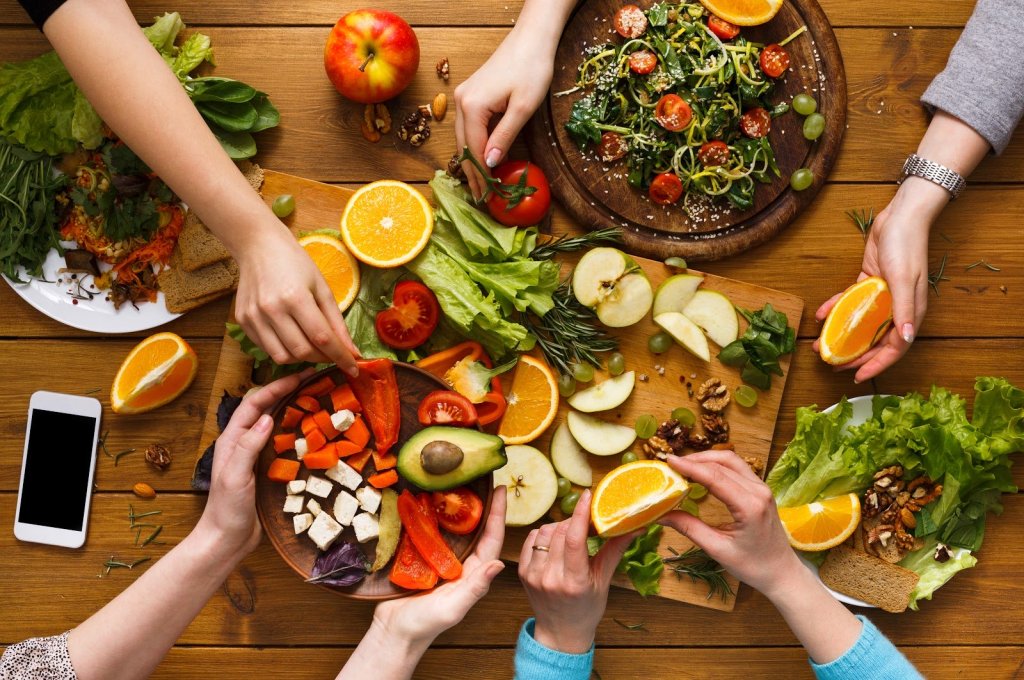
Ever since I was a kid I have always loved food. But more than that, I have always wanted to try food that was completely new to me. On family vacations, when we would go out to a restaurant to eat, I would pick out the weirdest thing on the menu and try it. I would do this because I wanted to be different and try something that other people wouldn’t think of trying, however it had a hidden effect as well. When we would travel to these new places, the food culture was different than what I was used to growing up in the Midwest. Places like Hawaii had vastly different dishes than what I was exposed to growing up. So I ended up trying very unique things to those specific places. This is really what drew me to anthropology. Through eating the food, I was being introduced to the overall culture. Keeping with the Hawaii example, trying the food there made me interested in researching Polynesian mythology, cultural practices like tattooing, and dancing. I was also drawn to what the cuisine of Hawaii said about the natural resources of the island that are utilized by the people who live there. Obviously Hawaii is part of the United States of America and is therefore influenced by the overall culture of the nation, as well as capitalism and urbanization. Even so, it is still much different than the culture of the Midwest and that intrigued me.
This realization that culture could be expressed through food is what ultimately drew me to anthropology and what made me focus on food anthropology specifically. To me, food is the backbone of culture. When immigrants came to America, they couldn’t bring much on the voyage overseas. But they did bring the cuisine of their culture, and that is largely what identified them as being from that culture, other than the language they spoke. Now, most Americans speak English as their first language, so they identify their culture by the food that they make. For example, my cultural heritage is mostly German and Polish, but I don’t speak those languages. Instead, I grew up eating traditional German and Polish dishes like Spätzle and Gołąbki. When I grew up, I learned how to make those dishes, therefore extending the cultural tradition and maintaining my cultural identity.
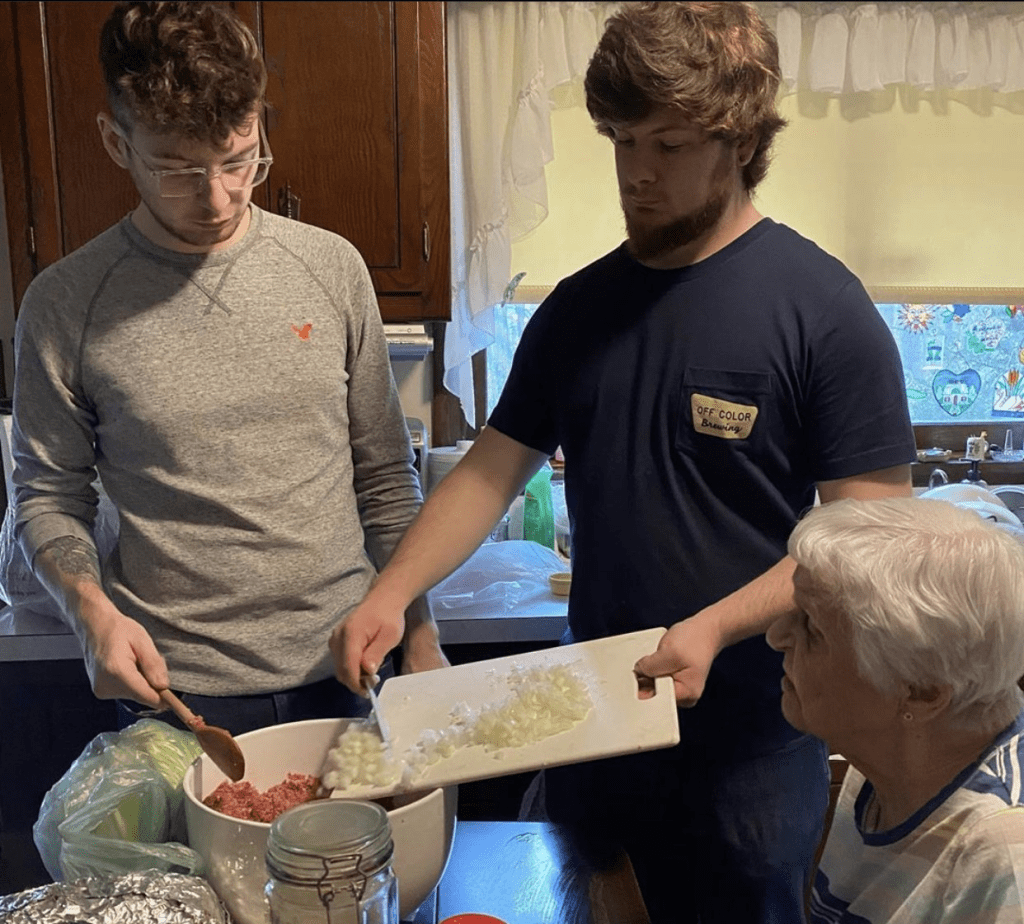
Personally, I think it is most interesting what food can teach us about other cultures. When someone is cooking for you, you are getting a piece of them. You see what they think tastes good, the ingredients they are influenced by and what they grew up on. When someone cooks for me, I find that I know that person better than before. Food strikes up conversation that you might not have with that person otherwise. This is why I believe that food, while being the gateway to another culture, is also a connection between two separate cultures. The similarities between my Midwest culture and say, someone from Western Africa might seem, on the surface, pretty sparse. But we both need to eat food, and although it may be a different cuisine than I’m used to, if I find myself in Western Africa I will eventually need to eat. That fact alone gives the foundation for cultural understanding and connection.
In a time when it seems the world, especially the “United” States is splitting into factions, I think it is important to remember that we are all human and we all have the same needs. I think it is important to spread a message of connection rather than separatism, understanding rather than hate. The more we understand each other, the harder it is to hate one another. It takes away the “us vs them” mentality and replaces it with “we”. Food is how I am choosing to do this because food is universal. However the stories behind food aren’t always told or understood. I want this blog to be a virtual buffet of cuisines that spark your interest and encourage you to learn more about them. Connect to different cultures through the food you learn about here. But most importantly, go out and try new things with new people.
 The Cultural Chef