How do you relax after a long day? Do you come home, kick back, crack open a beer and watch your favorite reality TV show? Do you cook with your family and socialize around the dinner table? We all have our own rituals that we perform when we are looking to relax. This week in my series of Meaningful Foods, I look at the Kava plant and its role in the ritual of relaxation and socialization in Polynesian culture.
Kava is a plant that is native to various islands in Polynesia, most commonly in Vanuatu, Samoa and Hawaii. Traditionally in these cultures, one would ground up the root of the kava plant and make a drink out of it. This drink would be consumed at night by a group of people in order to relax and spend time with friends and family. It would also be consumed as part of a ceremony, or any time that large crowds of people are gathered in the community. For a long time, use of the kava plant was kept to these regions. However in the past few years, there has been a new popularity of the plant in western society. There are now “kava bars” where you can go and get different types of teas and smoothies infused with the kava root. There are kava teas that you can buy in grocery stores so you can make the drink at home. It is all marketed as being a new health food and a nootropic that relaxes you and makes you feel good.
Kava does have chemicals in it that effects a persons mood. This is basically the opposite of coffee in that, where coffee stimulates your brain, kava relaxes it. Along with that relaxation kava has been shown to reduce anxiety and increase ones mood. Also, unlike the caffeine in coffee, the kavalactones in the kava root are non-addictive. Recently, scientists are interested in the effects that these chemicals found in the kava plant have on treating insomnia, chronic pain and depression. There was even an NFL player, Matthew Masifilo that used kava instead of Vicodin to suppress pain from a surgery. He knew about the plant and its benefits because he is Polynesian himself.
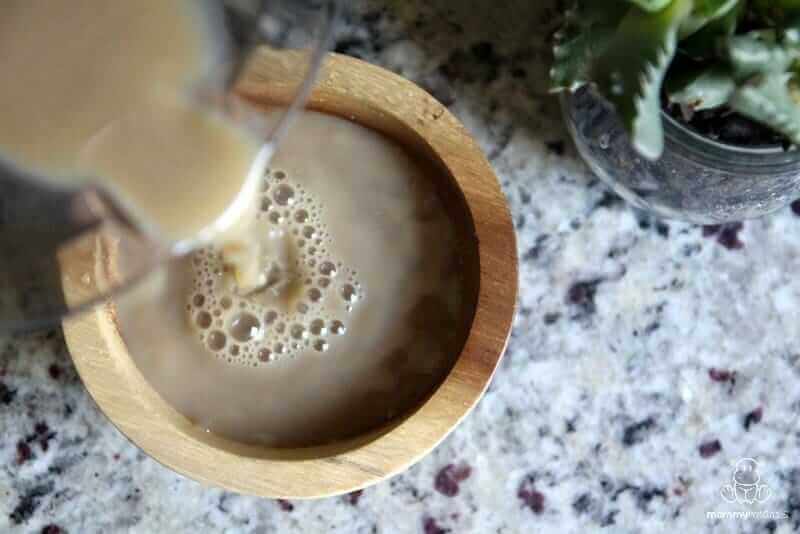
The taste of this drink is something that takes some getting used to. By itself it is very earthy tasting, some might even say that it tastes like dirt. This is why, in western culture, it is mixed with other things to mask that flavor. A kava tea bag that I recently had tasted like chamomile, lemongrass and oatmeal. Many of the kava bars make smoothies from kava and mix it with different fruits to help mask the flavor. I think it is important to note, however, that this is not how it is traditionally consumed. In Polynesian culture, the root is ground up and steeped in water. This way, it maintains its earthy flavor.
The kava plant is extremely important to the different cultures of Polynesia, and is one of the key factors of relating all of those cultures to one another. Along with the social aspect kava has, it also carries a religious significance to the cultures of Polynesia. It is often a big part of religious ceremonies. During negotiations between tribes, kava would be offered to both parties in order to calm nerves and to negotiate with a level head so conflicts do not arise. Personally, I think that the commercialization of the kava root cheapens it, making it just another trend in the health foods scene. However the medicinal benefits of it are undeniable. Drinking kava as a social activity as well seems like it would be beneficial, as I am always a supporter of anything that brings people together. Kava could help bridge the gap between western and Polynesian cultures, bringing both together in this social interaction.
1. Showman, Angelique F.; Baker, Jonathan D.; Linares, Christina; Naeole, Chrystie K.; Borris, Robert; Johnston, Edward; Konanui, Jerry; Turner, Helen (2015-01-01). “Contemporary Pacific and Western perspectives on `awa (Piper methysticum) toxicology”. Fitoterapia.
2. https://mommypotamus.com/kava-kava/
3. . Ernst, E. “A Re-Evaluation of Kava (Piper Methysticum).” British Journal of Clinical Pharmacology, Blackwell Publishing Ltd, Oct. 2007, http://www.ncbi.nlm.nih.gov/pmc/articles/PMC2048557/.
 The Cultural Chef