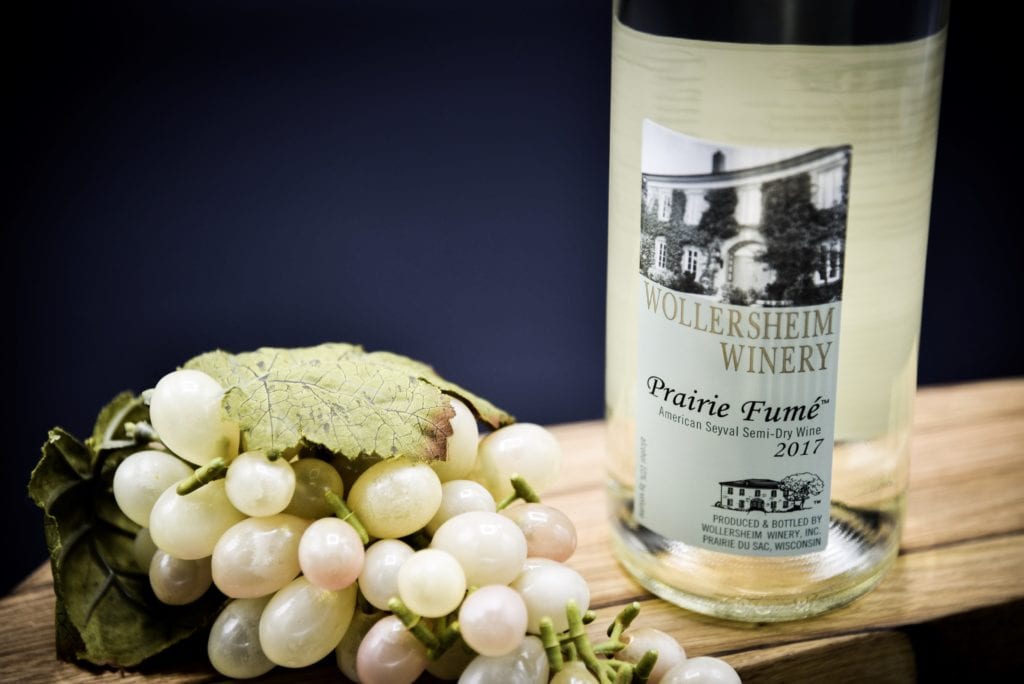
Today when you see alcohol commercials on TV, the main images they show are people having a good time, relaxing and being social. But some alcohol’s have different connotations tied to them. Wine is perceived as more of a “high end” alcohol than beer or vodka. This is, in part because of the history of wine, and the craftsmanship that goes into making wine. However wine also has deeper roots in terms of religion and even in our human history. Wine, it could be argued, helped humans survive during the Agricultural Revolution. In fact, it is debated that wine is what actually started the Agricultural Revolution 10,000 years ago. Even without these conjectures, there is no doubt that wine is more than just a trendy alcohol and there are reasons behind its longevity in human society.
Wine’s origins have been highly debated over the years, but recent archaeological evidence dates the earliest site to be in the country of Georgia at 8000 BC. What they found was evidence of a winery that produced wine on a very large scale for that time, a time when bones and stones were still used as tools in much of the world. Which begs the question, why did so much time and energy go into wine making when agriculture was such a new concept? The Agricultural Revolution is thought to have begun between 8,000 and 10,000 BC, this was the time when farming was first implemented on a large scale and humans went from a nomadic lifestyle to a more sedentary one. With that in mind, starting a winery in the beginning of the Agricultural Revolution doesn’t make too much sense if the main goal of agriculture is to feed people. This leads to the idea that wine (and possibly beer) were more than superfluous drinks that only had a recreational purpose.
It is thought that wine served the purpose of water purification. Fermenting things produces alcohol, and alcohol neutralizes many impurities that might otherwise be in food and drink. During nomadic life, eating food and drinking water wasn’t as dangerous since everything was fresh, if you needed food you went and got it, if you needed water you went to a river and drank some. And if their wasn’t any in that area, you moved on to the next spot. It’s similar to the reason why animals in the wild don’t get sick when they drink water or eat. However, once humans settled down and created settlements that they stayed in, it brought along a lot of unforeseen issues. One being waste disposal. Staying in the same place means that all the waste you produce also stays there with you. This can pollute your water source and food source if not disposed of properly. Water is necessary for survival, so what do you do if your only water source is polluted? You have to purify it, and one of the ways ancient humans might have done this was by making their water in to alcohol.
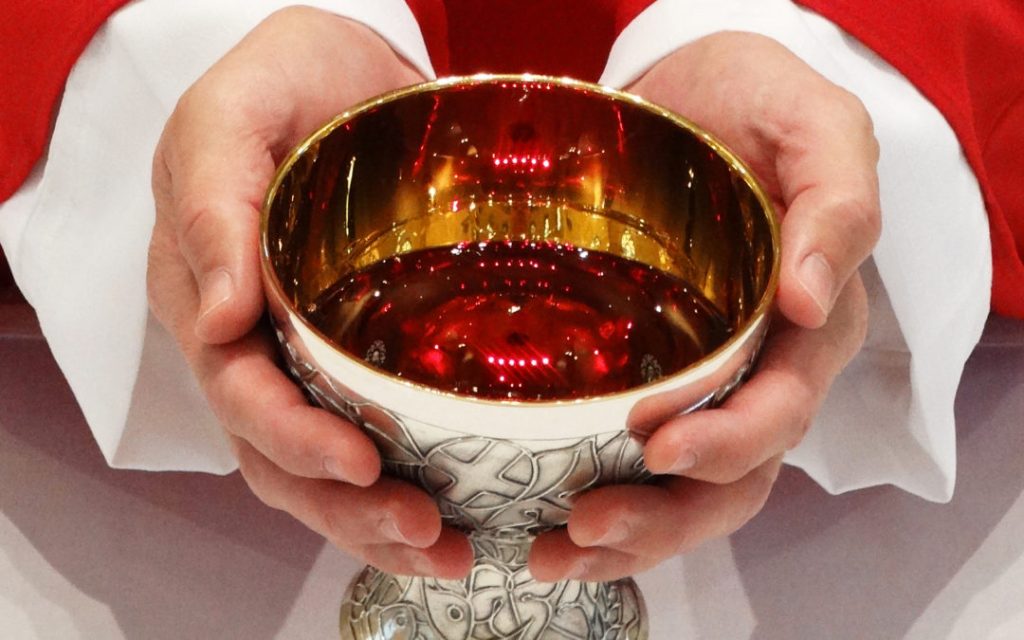
Along the same lines of purification, this leads into the religious significance of wine. In Christianity, wine is used to “purify the soul”. Wine, along with bread (another staple of the Agricultural Revolution) are blessed and offered to the people of the church. This offering is to aid in purifying the soul of the consumer to be worthy of going to heaven, as Jesus is said to be present in this ritual and Jesus is the Savior of mankind in Christian Theology. I believe that wine being used as a purification mechanism in this rite is no mistake. If wine was an important purifier in early human history, then it makes sense that it would be used in a religious rite later on.
Since then, wine has been largely associated with France, as the majority of wines produced comes from there and they have a long tradition of wine production. This is the point in which I think wine strays from it’s original purpose and takes on it’s current recreational role. It is the point where wine production becomes a craft and more varieties come out based on the grapes you use, where they are grown, and how you ferment them. Wine pairings also come out of this, using wine to compliment and and add to a meal to make it more pleasurable. It has also become a cultural marker in some places. For example, in France and Italy, wine is generally drunk everyday with meals. In the United States, wine is used to signal a special occasion. Sparkling wine is drunk at New Years Eve, and if you go out to a nice restaurant you’ll usually get wine with dinner.
Wine is something that has had a long presence in human history, and continues to be important to this day. Even though the meanings behind drinking wine have changed with time, our obsession with it has not. It is one of the most popular alcoholic drinks commercially, and new wineries open up every year all around the world. I think it is safe to say that wine is here to stay.
- Oldest Evidence of Winemaking Discovered at 8,000-Year-Old Village (nationalgeographic.com)
- Hames, Gina (2010). Alcohol in World History. Routledge. p. 17. ISBN 978-1-317-54870-6
- “Georgia made ‘world’s oldest wine'”. 13 November 2017 – via http://www.bbc.com.
- Gately, Iain (2008). Drink: A Cultural History of Alcohol. New York: Gotham. p. 107. ISBN 978-1-592-40464-3
 The Cultural Chef