One of the first dishes I think of when I think of East Coast cuisine is clam chowder. Being from the Midwest, the only kinds I know are New England clam chowder and Manhattan clam chowder. But after researching the topic, I found that there are many more varieties of it that I hadn’t heard of. Each variety is unique and can typically be traced back to the immigrants who settled in each region. In this post I will dive into each variety and try to trace the cultural history of each kind.
Before I look into each specific variety, I think it is important to distinguish between the different types of clam chowder. There are three types that correlate to the base broth of each soup; cream, tomato, and clear. Here lies a hint for the cultural origins of the types, which I will get into later on. Also I think it is important to define what makes a soup a chowder. Chowder, by definition is a “soup or stew made with seafood”, according to the Merriam-Webster Dictionary.
Cream-Based Types
New England Clam Chowder
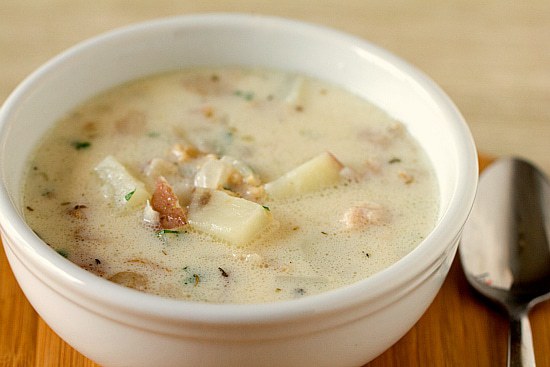
New England clam chowder is thought to be the first clam chowder, most likely with a French origin, as cream-based soups usually are. The main ingredients in this soup are potatoes, onions and of course clams, and it is often garnished with oyster crackers. This is also probably the most popular kind of clam chowder and most common outside of the East Coast. In the Midwest, this is what we think of as “clam chowder”.
Delaware Clam Chowder
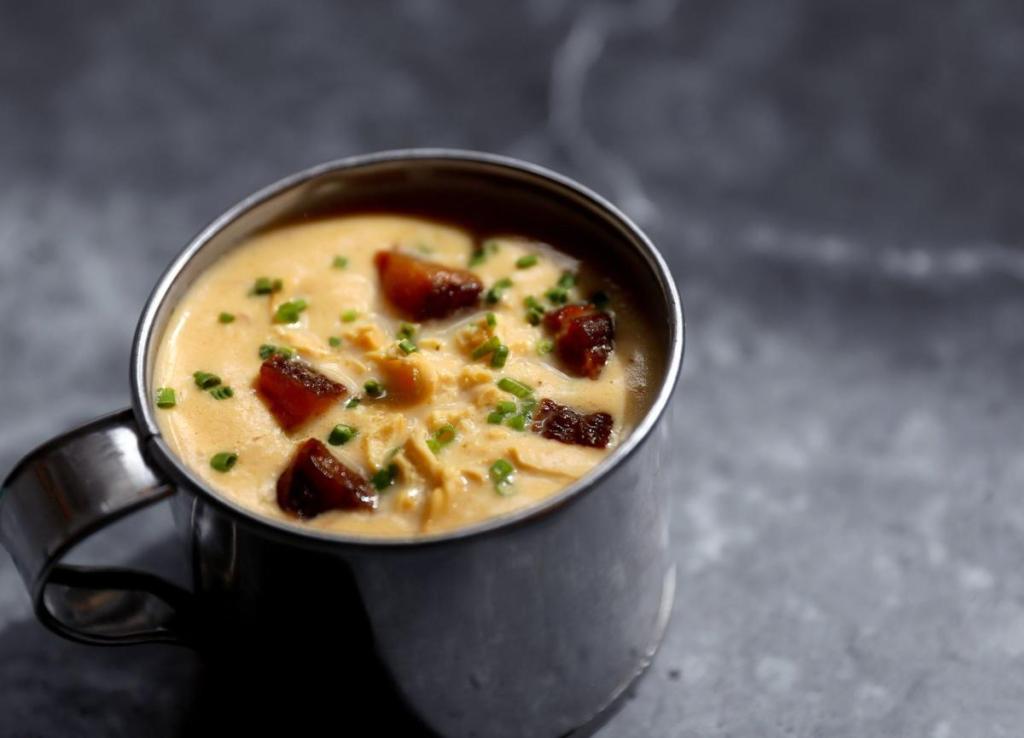
Delaware clam chowder is thought to be a derivative of New England clam chowder. Along with the potatoes, onions and clams, this variety adds salt pork or bacon. Based off what I’ve seen, this kind of clam chowder gets lumped in with New England clam chowder and I have seen many restaurants serve Delaware style clam chowder as “New England” clam chowder.
Tomato-Based Types
Manhattan/ Rhode Island Clam Chowder
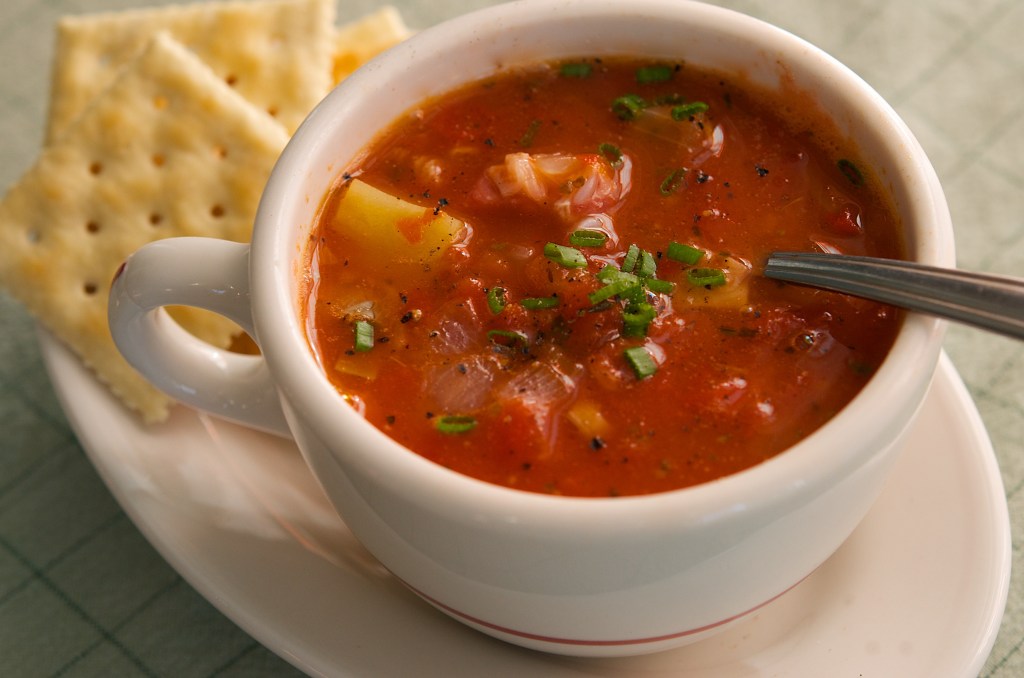
Manhattan clam chowder is probably the second most popular type of clam chowder, as it is the only other one I see on menus in the Midwest. This variety replaces the cream with a tomato base and has origins in Portuguese cuisine, as this dish is traced to Portuguese immigrants on the East Coast. It also includes more vegetables like peppers, celery and carrots. Rhode Island clam chowder is very similar, also with Portuguese origins, but this type omits the added vegetables and instead just has potatoes.
Minorcan Clam Chowder
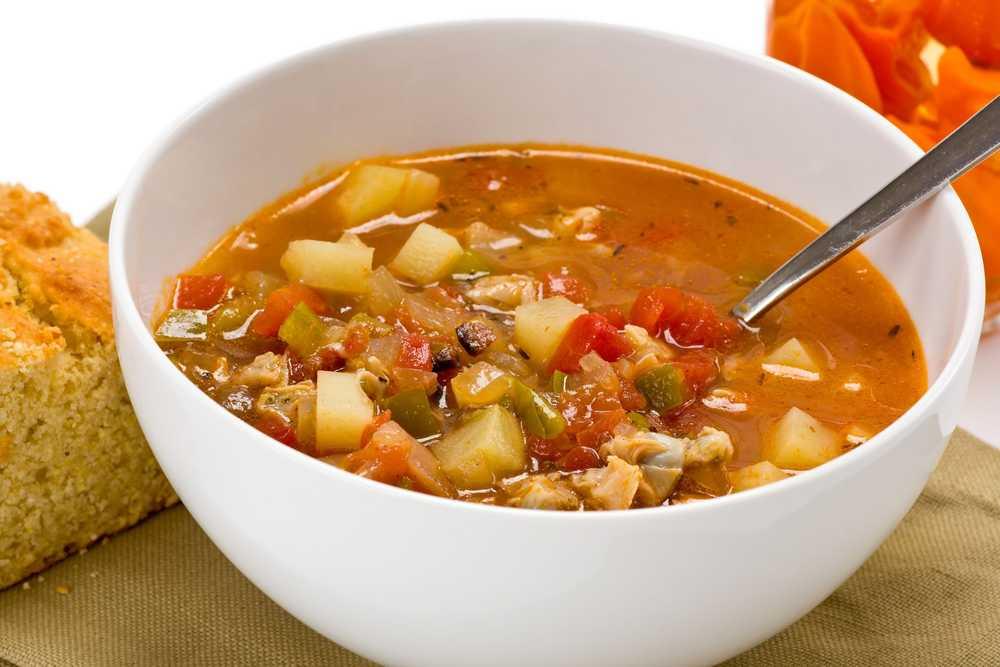
Going into St. Augustine, Florida now, we get Minorcan clam chowder. While having very similar ingredients to Manhattan clam chowder, this variety adds a kick of spice by adding the datil pepper. This pepper is only grown in only a few places, two of them being Menorca, Spain and St. Augustine, Florida. This soup has Spanish origins due to the large population of Spanish immigrants in St. Augustine.
Clear-Broth Types
Hatteras Clam Chowder

Hatteras clam chowder comes from North Carolina’s Outer Banks region. This style is characterized by the use of clear broth, bacon, potatoes and onion, and flour for thickening. This variety is most likely a derivative of New England clam chowder, the ommision of the milk was due to the fact that these islands never really had milk readily available.
Clam chowder on the East Coast, for all varieties, I found started off from humble beginnings. Often as a cheap way for an immigrant family to make sure everyone was fed. It has since grown to be an iconic symbol for the area. One particular theme that I think clam chowder encapsulates very well is cultural mixing. We have immigrant families from France, Portugal and Spain all taking traditional ingredients from their homelands (tomatoes, peppers, cream), using local ingredients from their new home (clams), and creating something completely new and unique. This is how I would describe United States cuisine as a whole. Being made up of immigrants, we took culinary traditions from where we came from and molded them with new ingredients found in North America. For the most part, I think dishes like this are what define the culinary regions that we have in the United States.
2. https://blog.carolinadesigns.com/outer-banks-food/hatteras-island-style-clam-chowder/
3. https://magazine.northeast.aaa.com/daily/life/food-dining/types-of-clam-chowder/
 The Cultural Chef