Wild Foods: Staghorn Sumac

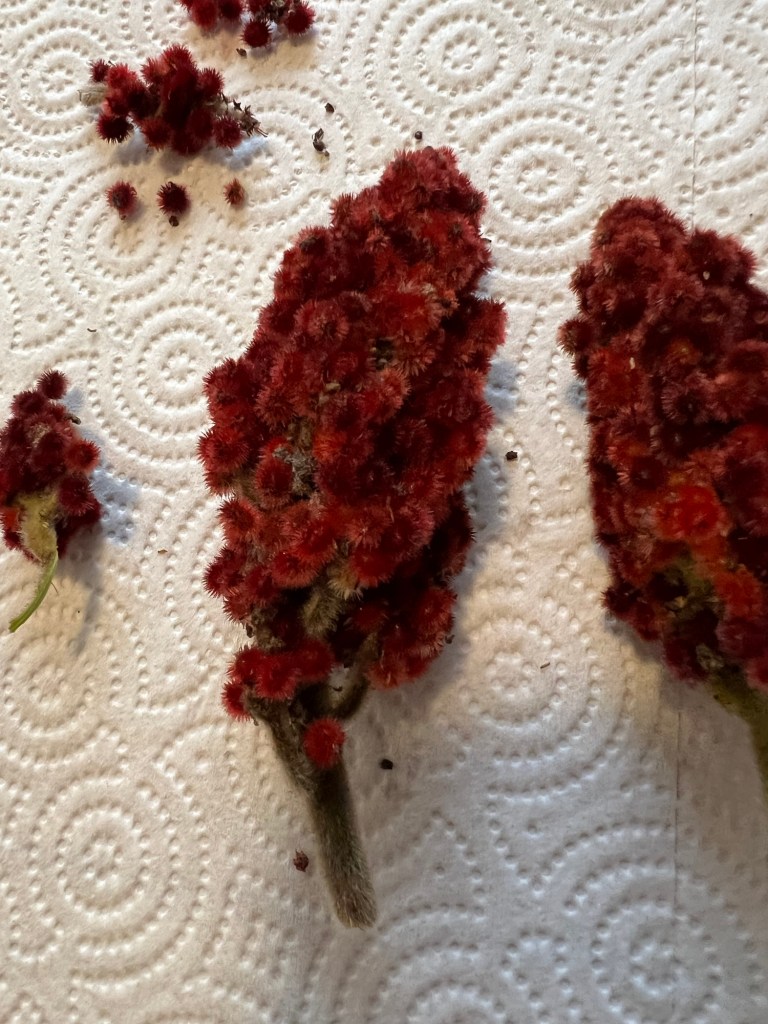
Staghorn Sumac berries I foraged near my apartment.

These blog posts are not meant to be used to identify plants to eat, they are meant for educational purposes to learn about different wild foods used by people who are able to identify them. If you are interested in learning how to forage your own wild foods, you need to learn as much as you can about plant identification as possible. Samuel Thayer’s book “Sam Thayer’s Field Guide to Edible Wild Plants of Eastern & Central North America” is a great resource in learning how to identify edible plants if you are foraging in the United States. But I cannot stress enough, do not eat anything unless you are absolutely sure what it is.

Staghorn Sumac (Rhus typhina) is one of my favorite plants to forage. It is easy to identify because of how unique it is. The berry clusters are these red, hairy spikes that grow straight up from the top of the shrub. The stems of the plant also have small hairs covering them. They have compound leaves that also have small hairs on the bottom of the leaflets. Staghorn sumac is native to North America and is found around the Great Lakes and east to the Atlantic Coast and stretches south to the Appalachian Mountains. There are many different species of sumac, however the only poisonous one is Poison Sumac (Toxicodendron vernix). This species will be easy to identify by their white berries, the other species all have red berries.

The main part of the plant that is used for food are the berries, however the shoots are also edible in the early spring. Sumac berries are crushed and used to make seasoning and is especially famous in za’atar seasoning, however usually the berries of Fragrant Sumac (Rhus aromatica) are used for that. My favorite use for Staghorn Sumac berries is to make sumac lemonade. Sumac lemonade is such a refreshing, tart drink that has so much flavor without having to add a ton of things to it. The berries are very acidic which gives it that refreshing taste. (I’ll attach a recipe for sumac lemonade at the end.) Sumac berries are loaded with antioxidants and also has antimicrobial effects as well. The best time to forage for Staghorn Sumac berries will be in the late summer and into the fall and can even continue until early winter. The berries will stay on the plant a lot longer than the leaves which will be an easy identification indicator if foraging later in the season when the leaves have dropped.

Sumac is a plant that is revered worldwide for its delicious flavor. Za’atar seasoning comes from the Middle East and is widely used in Middle Eastern cuisine as well as in Mediterranean cuisine. While sumac isn’t the main ingredient in this herb blend, it provides a very distinct flavor to this seasoning. Sumac as a seasoning has gained popularity in fine dining restaurants because of its unique flavor and flexibility as a seasoning. Staghorn Sumac specifically was an important food source for Native American people living in the Great Lakes region. In fact, the sumac lemonade recipe comes from Native American food traditions. The sumac plant is used widely for ornamental purposes and is considered invasive in some areas. In places where this plant is invasive, indiscriminate foraging of the berries could help slow their spread. (However, sumac mainly spreads through rhizomes so it would still be a problem.) In their native habitat, foraging for sumac berries is fairly low impact to the plant and overall population which makes this a very sustainable food.
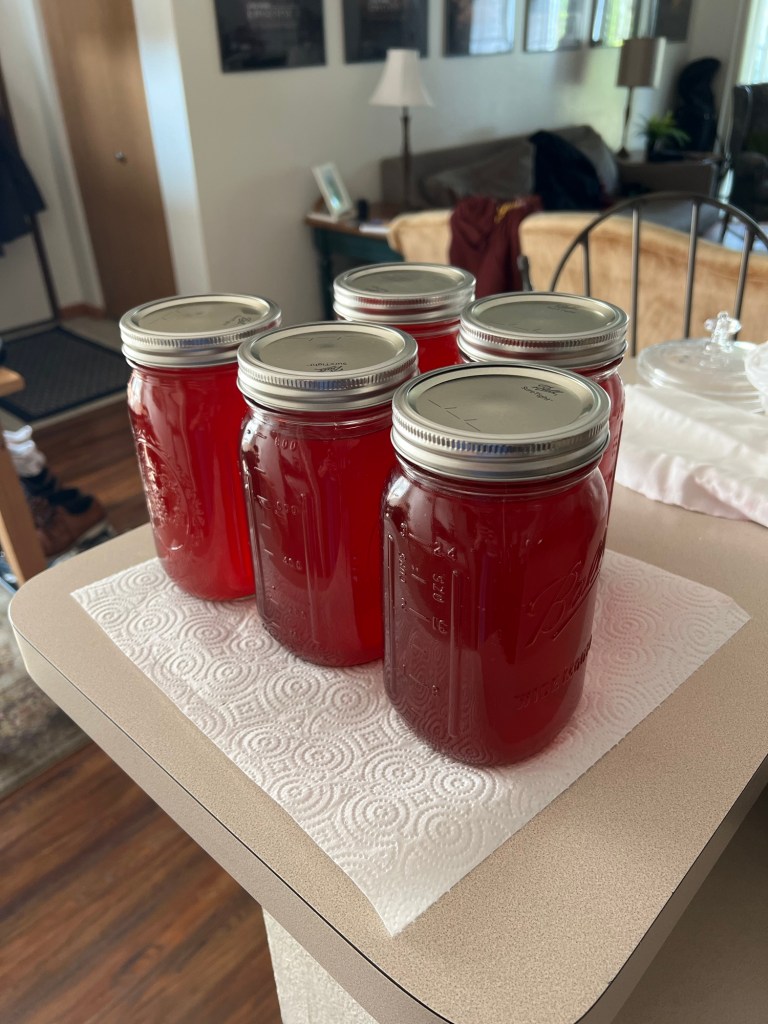
My most recent batch of sumac lemonade. Look at that color!

Sumac Lemonade Recipe

  • 5 cups sumac berries
  • 4 quarts cold water
  • Mint sprigs (to taste)
  • 1 cup honey
  1. In a large container, combine water, sumac berries and mint sprigs. Stir and make sure the mint sits below the sumac berries so that it is fully submerged in the water.
  2. Let mixture steep for at least 24 hours either at room temperature or in the refrigerator, stirring every so often.
  3. After 24 hours, strain the liquid through a cheese cloth and discard the solids. Add honey and mix well. This should make around 5, 32 oz mason jars worth of lemonade. Refrigerate after portioning out and it should last at least a week in the refrigerator.

Sources

Wild Foods: Spruce Trees

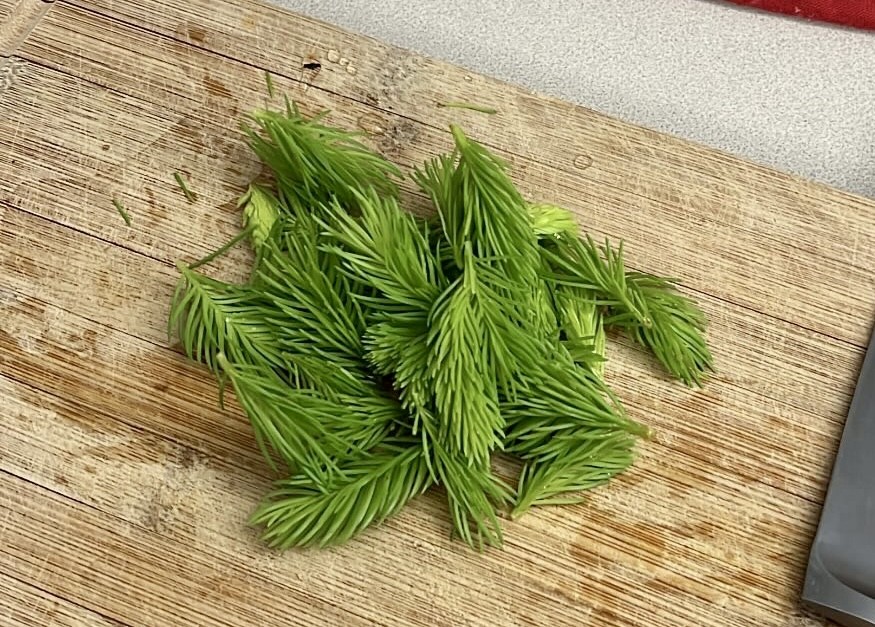
Spruce tips I gathered from my friend’s yard

These blog posts are not meant to be used to identify plants to eat, they are meant for educational purposes to learn about different wild foods used by people who are able to identify them. If you are interested in learning how to forage your own wild foods, you need to learn as much as you can about plant identification as possible. Samuel Thayer’s book “Sam Thayer’s Field Guide to Edible Wild Plants of Eastern & Central North America” is a great resource in learning how to identify edible plants if you are foraging in the United States. But I cannot stress enough, do not eat anything unless you are absolutely sure what it is.

Spruce trees are very abundant across the northern states. White, red and black spruce trees are all native, but the Norway Spruce is not. All are safe to consume. One potential toxic lookalike is the common yew, however differentiating between the species is fairly easy as the yew is a bush and has flat needles while the spruce is a tree with rounded needles. Other ways to identify a spruce tree are by looking at the bark, which should look gray and thin and covered in small scales. The needles are short, stiff and sharp. Cones can range from egg-shaped to cylindrical.

Common parts of the tree used for food are the inner bark and spruce tips, which are the tender, new growth on the tips of branches. Spruce tips can be used for many different purposes. You can eat them raw in salads or blended to flavor smoothies or purees. You can use spruce tips or pinecones to make pine syrup or mugolio. My favorite use so far has been making a spruce tip key lime pie from a recipe I found from Alan Bergo from the Forager Chef. The flavor of spruce tips is very piney and citric. I would use it to replace or enhance citrus fruits, this is why I enjoy the spruce tip key lime pie so much. It is also an amazing source of vitamin C. You want to make sure you harvest spruce tips when they are young and soft, otherwise the flavor gets too bitter, and the needles will be too sharp to bite. The perfect time to forage for these is in the spring to the early summertime. Spruce products have seen a rise in popularity recently amongst high-end restaurants. The unique piney, citrus flavor adds a flavor you can’t find in other ingredients which makes it prized by chefs. Some restaurants even carry a liquor called Zirbenschnaps which is made by fermenting pinecones.

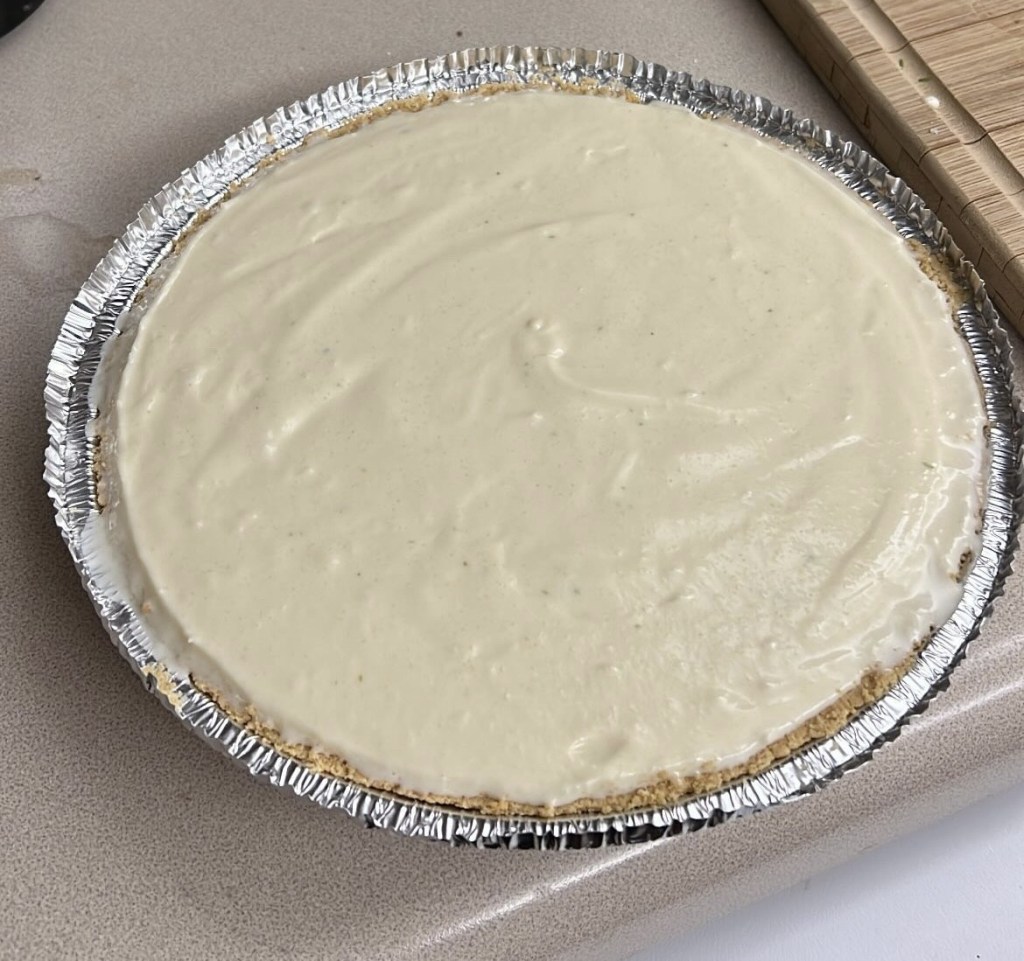
Spruce tip key lime pie that I made in May 2024

Since spruce trees are found all across the boreal forests in the northern hemisphere, they have been an important resource for northern cultures around the world. Finnish people made syrups and used the buds to make spices. Northern Native American peoples used the flexible roots to weave baskets. Spruce trees are also the species that people use as Christmas trees, which is a tradition that stems from Germanic peoples in Central Europe. The cultural significance of this tree in modern times cannot be understated. Whether in its use in fine dining restaurants to its utilization by millions of people to decorate their homes during Christmas time, this species of tree is held dear to many people to this day.

Spruce trees are one of those plants that remain very significant in modern times. Knowledge of plants and their uses seems to be dying out amongst common people in the United States. But I think that spruce trees are one of those plants that a vast majority of untrained people would be able to recognize pretty easily because of how culturally significant it is. Its use as the Christmas tree is immediately recognizable to most people, and its rise in the fine dining scene will only make it more popular. Products made from the different parts of the spruce tree are delicious and palatable to most people. It is also a sustainable food source because the parts used don’t require killing the entire tree. Plants like this excite me about the future of our food system because if we are going to continue to feed the world in a healthy, sustainable way, we are going to have to diversify what we eat and think outside of the box.

  1. https://foragerchef.com/spruce-tips/
  2.  Perry, Joe (27 September 2010). Christmas in Germany: A Cultural HistoryUniversity of North Carolina Press. p. 32
  3. Jyske T, Järvenpää E, Kunnas S, Sarjala T, Raitanen JE, Mäki M, Pastell H, Korpinen R, Kaseva J, Tupasela T (2020). “Sprouts and Needles of Norway Spruce (Picea abies (L.) Karst.) as Nordic Specialty-Consumer Acceptance, Stability of Nutrients, and Bioactivities during Storage”
  4. Thayer, S. (2023). Sam Thayer’s Field Guide to Edible Wild Plants of Eastern and Central North America.
  5. https://foragerchef.com/spruce-tip-key-lime-pie/

Wild Foods: Mulberries

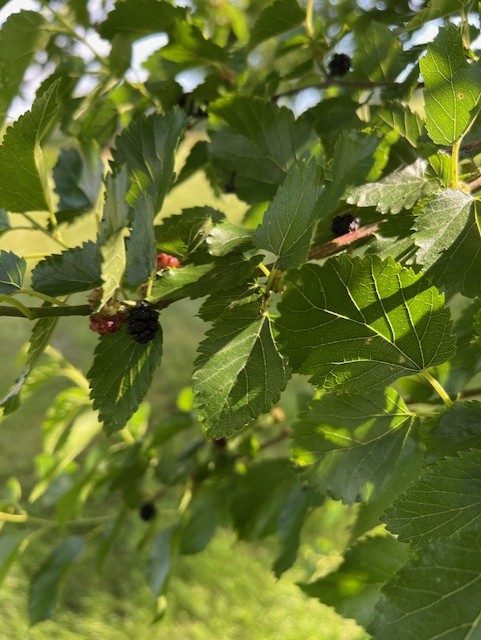
Mulberry Tree in the park next to my apartment

In this new series of blog posts, I will be discussing different foods that are available to be foraged in the wild and aren’t commonly cultivated or available in most grocery stores. In this series I will go over the cultural significance of these foods, what part is eaten and share different ways in which these foods are consumed. I will primarily be covering species that are found in the Great Lakes Region, as that is where I am located, and it is what I’m familiar with. Also, as a disclaimer, these blog posts are not meant to be used as a guide to forage on your own. If you are interested in foraging, I would recommend doing a lot of research on your own. One resource I would highly recommend if foraging in the US is Sam Thayer’s book “Sam Thayer’s Field Guide to Edible Wild Plants of Eastern and Central North America”. This book will be the main source of information regarding identification in this series of blog posts. My own foraging journey began as a child when I would be out exploring with my family and would come across different edible berries. I have recently rediscovered my interest in foraging and have been researching as well as going out and collecting edible wild foods. My perspective on these blog posts will combine my studies of anthropology, culinary arts and the natural world (also known as ethnobotany) to hopefully give a well-rounded account of these different foods.

Mulberry trees include many different species of plants in the Moraceae family. These will all produce edible mulberries and the trees, as well as the fruits, are relatively easy to identify. The berries of the mulberry tree look very similar to blackberries and the trees have ovate to heart shaped serrated leaves. The berries ripen in early to mid-summer and will often ripen unevenly, meaning you will be able to harvest the same tree multiple times. These trees have a world-wide distribution, growing in hardwood forests with rich soil. I always find mulberry trees in the woods when I go hiking or in parks. There is a native mulberry tree species, the red mulberry, but it is in decline because of genetic mixing and being outcompeted by the foreign mulberry trees that were brought over from Europe and Asia. Most of the mulberry trees you will find will be the foreign species of mulberry.

The main part of this plant that is eaten are the berries, these are gathered by either hand picking or by shaking the branches onto a tarp for larger quantities. You can also use the new, tender leaves and shoots in salads and cooked in soups or as a tea. The berries are used in pretty much every way that any other berry is used. You can eat them raw, make mulberry pie, or mulberry jam. Processing mulberries can be labor intensive because they have a lot of seeds and stems. However, the work is definitely worth the reward. Mulberries have a deep, rich and dark flavor. When ripe, they aren’t overly sweet or sour. I think they are much more flavorfully complex than similar berries like raspberries.

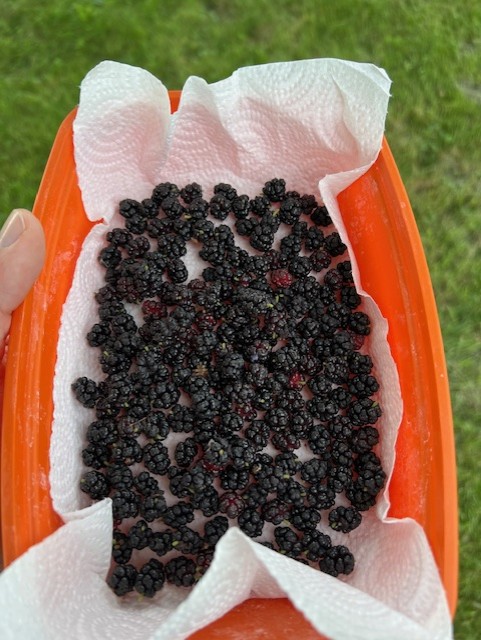
Mulberries I gathered by hand.

The mulberry tree played a key role in the Chinese Silk Trade. Mulberry leaves are the main food source for silkworms, so they were cultivated in order to sustain a large population of silkworms that could then be used for their silk in the silk trade. In fact, the reason why mulberry trees are so widely distributed is because of the silk trade. Ancient Greeks and Romans also cultivated mulberry trees for this purpose. The red mulberry tree was used as a food source for Native Americans before the introduction of white and black mulberry trees which have taken over the red mulberry’s native habitat. A Babylonian myth says that the gods made mulberries have blood-red juice because of the deaths of lovers Pyramus and Thisbe, who committed suicide because their love was forbidden. As shown here, the mulberry tree is linked to human history from all over the world. It is such an important tree with a diverse array of uses to many cultures all over the world and isn’t specific to just a single group of people.

The mulberry tree is one of my favorite trees to find in the wild. It’s so fun and rewarding to be able to identify a species of plant and be able to eat it too! Mulberries are a great introductory plant to get people into foraging because it is super easy to identify and has no toxic lookalikes. Diving into the history of human use of mulberry trees is quite interesting as well. Its use among so many different cultures throughout the world and human’s tendency to take this plant wherever they go is a testament to its importance to us. With how sweet and accessible the taste is, it’s surprising to me that there aren’t more mulberries or mulberry products in grocery stores. But to those who know where to look for it, it provides a tasty treat!

  1. https://foragerchef.com/mulberries/
  2. Reich, Lee (2008). Morus spp. mulberry”. In Janick, Jules; Paull, Robert E. (eds.). The Encyclopedia of Fruit and Nuts. CABI. pp. 504–507
  3. Lyle, Katie Letcher (2010) [2004]. The Complete Guide to Edible Wild Plants, Mushrooms, Fruits, and Nuts: How to Find, Identify, and Cook Them (2nd ed.). Guilford, CN: FalconGuides. p. 103.
  4. Thayer, S. (2023). Sam Thayer’s Field Guide to Edible Wild Plants of Eastern and Central North America.

Community-Based Food Systems: A Benefit or a Detriment?

Walk into your local grocery store, what do you see? Aisles and aisles of food, the option to eat anything you could ever want. This is a relatively new experience in our existence, many people see this abundance as a positive thing. We no longer have to go out and forage or hunt food for ourselves, we can just walk into the same building and buy food any time we need it. Contrast this to the past when you either had to know how to grow your own food or hunt for it. I think we can all agree that grocery stores and restaurants are major improvements to the previous way of doing things. However with every advancement comes new issues that need to be addressed. Walking into that grocery store, among the endless aisles of food that you see, how much of that is grown within 100 miles of the grocery store? When you go out to eat, how much of what you are eating is sourced locally? The answer, unfortunately, is little to none.

Our food system is an extremely centralized system, meaning that the flow of goods is super consistent and controllable. However, this also means that the source of all our food can come from hundreds of thousands of miles away. Logistically, this makes sense. If you have a steady supply of food from all over, then if one area experiences a drought or other ecological disaster, they won’t have a food shortage because their food supply is coming from somewhere else. Environmentally though, this system is very damaging. The environmental impact of the transport of the food from its origin to the consumer is very high. Tons of greenhouse gases are emitted as a result of this transport. On top of that, the amount of land it takes to supply the massive demands of goods is extreme. They rely on monoculture farming techniques (which I’ve talked about the negative impact that has on the environment in previous posts) which requires massive swaths of land which destroys natural habitats. They use harmful chemicals on the foods to ensure high yield, but cause health issues to people who eat these products and negatively impact our water supply when they runoff into lakes and rivers.

In contrast, community-based food systems have been the norm for most of human history. Basically, humans ate food that was around them. The positives of this food system are that it’s generally a more sustainable way of eating. What you eat comes from what’s around you, what you’re able to farm, forage and hunt. It promotes taking better care of your environment because that is the source of your food, which is a lot more obvious in this type of system. Like anything though, this also has its negatives. These food systems are less secure as the weather can determine how much food is available. You also won’t have access to as many things in this system as you would in a more centralized food system because, depending on where you live and what season it is, you may not have access to certain foods. (So long avocado toast, northerners!)

This begs the question, is there a way to combine the best of both systems? Is there a way to have a food system that is environmentally sustainable, nutritious and healthy, and reliable and consistent? In my mind, a return to a community-based food system is necessary if we want to sustain our environment and eat healthier. However, I do think there needs to be some adjustments as well. To make this system more consistent and reliable, I think the use of local indoor farms and gardens are necessary. Indoor farming is resistant to droughts and other environmental disasters because we can control every aspect of the indoor environment. You are also able to grow plants in regions that they otherwise wouldn’t grow in. (Welcome back avocado toast, northerners!) Getting rid of monoculture farming is also a necessity in this new food system. Because you are getting all of your food locally, it wouldn’t make sense to grow massive amounts of one single crop. Instead, it would be better to grow a lot of different crops to increase the kinds of foods you are able to sell to local markets and restaurants. This type of agriculture is also more sustainable and actually regenerates damaged ecosystems. (See previous posts about regenerative agriculture.) In this system, these types of farms would be the backbone of the system, with indoor farming being a supplemental support of it.

This system would also boost local, rural economies, areas that need economic stimulation the most. More and more people are moving out of rural areas and into cities, this hurts these small towns, as they have no way to compete with these larger cities economically. This means that the people left in rural areas tend to suffer from poverty more than those that live in cities because they have less access to education and resources. (1) Giving rural areas this economic boost will be vital for lifting these areas out of poverty, giving residents better access to the resources they need to live well.

Overall, I don’t think there is one right answer to the issue of fixing our food system. There are many ways we can choose to make it better. I gravitate towards this solution, though, because the benefits don’t just fix one problem, it addresses multiple. It addresses an environmental problem, a social problem and an economic problem. It also may positively impact other things that are as of yet unseen. I’m not so blind as to believe that this will solve all the problems of the food system or that it won’t potentially create new ones. But I do think it would be a definite improvement to the current system we have in place.

(1) https://givingcompass.org/article/differences-in-rural-and-urban-poverty-and-why-they-matter#:~:text=%20Rural%20poverty%20often%20stems%20from%20limited%20access,is%20fundamental%20for%20a%20national%20poverty%20alleviation%20strategy.

Regional Foods: Booyah Stew

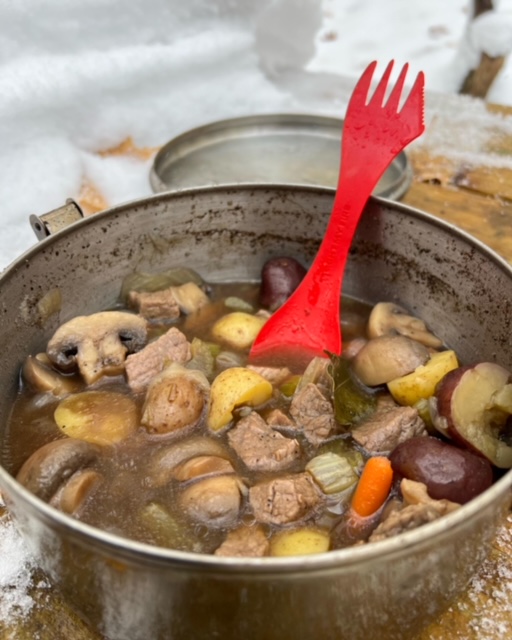
My take on Booyah Stew during my camping trip in Northern Wisconsin

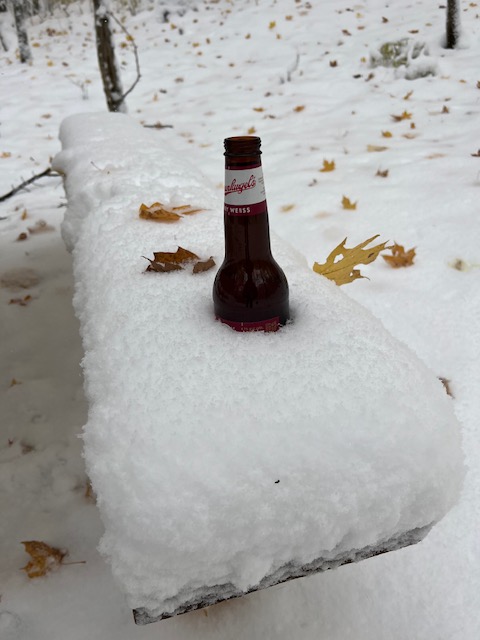
In mid-October, I went on a solo camping trip to the far Northern part of Wisconsin. I saw that the area was expecting some snow during the time period that I had booked but, as it was still early in the fall, I expected light flurries at the most. During my first night there I found out I was in for a lot more than I anticipated. Over the three days I was there, half a foot of snow fell on my campsite making the trip a lot harder than I had originally thought it would be. I wanted to use this trip to test my cooking skills in a more primitive environment than what I am used to. I decided to bring the makings for beef stew. Little did I know, I was taking part in a Northern Wisconsin tradition by making what locals call Booyah. I’m not sure if it was the harsh conditions and being extremely cold, but this was one of the most satisfying meals I’ve had in recent memory and I’m almost afraid to make it again in case I don’t like it as much as I did before.

Who needs a cooler when you have snow?

Booyah is a cooking tradition of the Upper Midwest, primarily in Northern Wisconsin, Minnesota, and the Upper Peninsula of Michigan. It is attributed to the Belgian immigrants that settled in these areas, and the name itself comes from the Walloon language. Walloon is an endangered romance language that originated in Wallonia (area in Belgium) and is also a language spoken in Northern Wisconsin. The name comes from the Wallonian words bouillir (boil) and bouillon (broth). Booyah comes in many different varieties, but generally consists of chicken, beef and/or pork, carrots, peas, onions and potatoes. The seasoning depends on the cook, but from what I have seen consists of bay leaves, black pepper and salt. In my recipe, I swapped out the peas for mushrooms and my seasonings also included cloves. Also, a lot of the time Booyah will have multiple types of meats, mine only used beef. So, mine wasn’t strictly traditional. Today, the stew is made in huge batches, meant to serve hundreds of people for large gatherings. There are even Booyah cooking contests, similar to chili cookoffs, where cooks come together to compete to see who makes the best Booyah.

The more I experience and learn about Wisconsin, my home state, the more I come to appreciate it. Growing up, I’ll admit, I couldn’t wait to leave the state. I thought that Wisconsin culture was stale and boring and wanted something more dynamic and exciting. But now I’m realizing that there is a lot more to Wisconsin than I thought. The traditions and cultures represented in Wisconsin are very deep and unique to the state. This was all exposed to me through food and studying the culinary traditions of the state. I would never have known that there is an endangered language being spoken in pockets of Northern Wisconsin if it weren’t for Booyah stew. Food has made me appreciate where I’m from more than I ever thought I would.

References:

  1. “Origin of Booyah.” UW – Green Bay – Wisconsin’s French Connections Origin of Booyah, https://web.archive.org/web/20101024041613/http://www.uwgb.edu/wisfrench/kitchen/booyalet.htm.
  2. JESSIE OPOIEN | The Capital Times | jopoien@madison.com | @jessieopie. “Booyah! This Northeastern Wisconsin Tradition Could Become the Official State Soup.” The Cap Times, 10 Dec. 2015, https://captimes.com/news/local/govt-and-politics/booyah-this-northeastern-wisconsin-tradition-could-become-the-official-state-soup/article_8c8c4a0b-afee-516f-a00b-ae998cd57108.html.
  3. Mf. “Walloon Ancestry in Wisconsin (USA).” Phlegmish & Walloony, 1 Jan. 1970, https://phlegmish-walloony.blogspot.com/2015/10/walloon-ancestry-in-wisconsin-usa.html.

Medicinal Foods: Tea

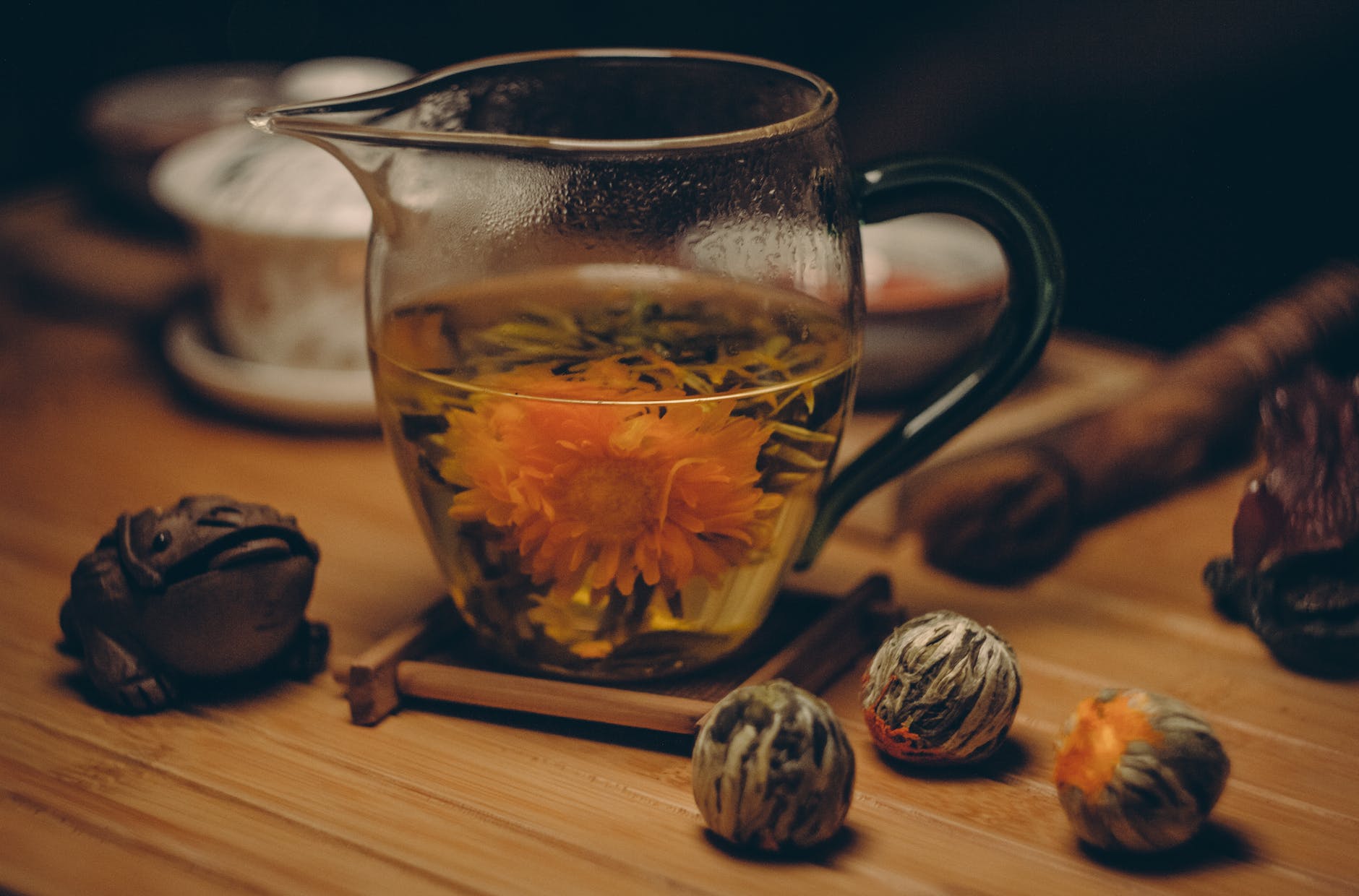
Photo by NIKOLAY OSMACHKO on Pexels.com

How many of you have had tea? If I had to guess, I would say that all of you have at least tried tea of some sort. Tea is the most consumed beverage in the world after water and is one of the oldest beverages in the world, having been consumed for thousands of years. There are numerous varieties of tea and just as many preparations. You could write an entire book about the different varieties and preparations of teas from different cultures. This post will look at tea more generally and discuss how tea has been used medicinally and look at the health benefits that come from drinking tea.

Tea plants are native to East Asia, and consequently China has one of the oldest tea drinking cultures in the world. It is thought that tea was first used for medicinal purposes in China. In Chinese mythology, the discovery of tea is accredited to Shen Nong, a mythological Chinese ruler who is known as the father of medicine and agriculture. It is said that he went out and tried a huge variety of plants to see if they were fit to be food or medicine. One legend describes him trying a host of poisonous plants and becoming very ill. While he was laying on the ground in pain, a few leaves fell near him. He brewed them in hot water and drank the liquid and it healed him. These healing leaves happened to be tea leaves. Because of this, tea was seen as an antidote to poisons and just a general aid to remove toxins from the body.

Scientific studies today have shown that Shen Nong may have been on to something. The main chemicals found in tea are caffeine and polyphenols. The potential health benefits of tea come from the high polyphenol content. Polyphenols act as antioxidants in our bodies which help control free radicals in the body. Free radicals can mutate our DNA, causing it to produce more LDL cholesterol and effect our cell walls in negative ways. These are both very bad for our health, so being able to reduce the impact of free radicals in the body is very important. Other studies have claimed that tea can help reduce the chance of stroke, heart disease, and cancer. However, these studies are inconclusive, and more research is needed to verify these claims.

Tea is yet another example of modern medicine verifying the validity of folk medicine. It never ceases to amaze me that humans have known for centuries the health and medicinal benefits of different substances without knowing why they are beneficial from a scientific standpoint. It is a reminder to me and should be a reminder to the scientific community not to dismiss the claims of folk medicine simply because there hasn’t been research done into the validity of its claims. Rather, we should explore the claims more in depth. A counter-question I would like to pose is this: if something makes you feel better, or helps to relieve an illness or injury, does it matter if there are scientific claims to back it up?

References:

  1. “Tea.” The Nutrition Source, 27 Jan. 2022, https://www.hsph.harvard.edu/nutritionsource/food-features/tea/.
  2. Yee, L.K., Tea’s Wonderful History, The Chinese Historical and Cultural Project, archived from the original on 3 August 2002, retrieved 17 June 2013, year 1996–2012
  3. Yamamoto, T; Kim, M; Juneja, L R (1997). Chemistry and Applications of Green Tea. CRC Press. p. 4.

The Restaurants of the Future: Community and Sustainability Focused

Over the past year since my last blog post, I’ve quit my old job, tried to make a living off of my writing, failed. Worked as a Doordash Driver and home cook, and finally started a new job as a Front of House Manager at a casual/fine dining sushi restaurant. In this time, I’ve been able to get an up-close look at the food industry from multiple different perspectives. Because of this, I have gained some new ideas into how I think the food and restaurant industry can be improved. As with anything, I’m sure I also have some biases when it comes to this topic. I can also be somewhat of an idealist, thinking “if only we were able to do it this way, then everything would be perfect!” However, I know that things are never that easy or as black-and-white. I’m sure there are shortcomings to my ideas as well. But I do think they are a step in the right direction at the very least.

When thinking about what the best model for a restaurant would be, at first, I was stumped. I felt that, at every step there were things that didn’t make sense. From agriculture to food distribution, to food preparation and disposal and waste. There just seemed to be issues at every step of the way. In agriculture it’s unsustainable farming and livestock practices. Food distribution emits tons of carbon dioxide to get products across the world. The distribution itself is unfair in that there are poor communities that are in the middle of a food desert that can’t get access to healthy foods. Meanwhile in wealthier communities they just throw out all the excess food that they can’t sell. In food preparation, restaurants buy the same foods at any time of the year, regardless of the season. This means that the products have to come from far away, where that item is in season, which takes a huge toll on the environment. Restaurants will also cut a lot of corners in order to reduce the cost to them. From buying precut vegetables to getting products that have been heavily processed. On one hand I understand that the profit margins of restaurants are extremely tight and that anywhere you can save money you should. But the effects of this are literally ruining the environment. Food waste is a huge problem in this country, (you can read more about it in my blog post about Sustainability in the Food Industry). Looking at all these problems seems very overwhelming just because of the scale of each of the categories.

When looking at large complex issues like this, I feel like many people either give up or choose to focus on one aspect of the problem. I think it would be a lot more helpful, rather, to look at other large complex systems that work and try and model the food industry after those systems. I think the best system to model the food industry after would be an ecosystem. This brings me to what I am most excited about for the future of restaurants. I’m calling them closed system restaurants. These restaurants would have a focus on sustainability and community. A closed system restaurant would source all of their food from themselves or from hyperlocal suppliers. Having some sort of garden on site or close to the site would prevent long distance buying of food stuffs. It would also encourage seasonal eating which would also reduce these long supply chains. Partnerships between these types of restaurants and other local businesses would be vital in fostering a successful business but also in strengthening the communities that they reside in. For example, a restaurant partnering with a local bakery and selling their baked goods can only be good for both businesses. Ironically enough, loneliness is a huge issue in big cities. Fostering a sense of community so that people don’t feel so alone is another potential benefit that I can see these closed system restaurants having by putting the community first. Any extra food that a closed system restaurant might have could be sold via a marketplace or a farmer’s market in the neighborhood. It can also be sent to a food depository or donated to shelters. While this greatly reduces it, every restaurant is still going to have some food waste. A closed system restaurant would either compost the remaining food waste either themselves or through a composting service or use the food waste as scrap to help feed livestock. That compost could then be recycled back into the garden as fertilizer to grow more crops and start this whole cycle over again.

Not only is this beneficial for the environment and community, but it also relieves some of the financial burden from restaurants. It reduces their food costs immensely, money that can be funneled into paying employees a living wage and give people in the restaurant industry a better quality of life. Some issues with this that I can see would be that a restaurant would have to have more space to accommodate a garden which I understand can be hard to obtain. Because of this, start-up costs are more than likely going to be higher. You would also need to have a much broader scope of knowledge to start a restaurant like this. Now, just being a good chef isn’t enough, you also need to know how to farm and work together with the community to forge a strong bond. These types of restaurants are also, by nature of the idea, not in it for the money. Obviously, a business needs to make money to survive, but the goal of a closed system restaurant is not to make as much money as humanly possible, because that is inherently unsustainable.

This sort of idea is already being used by some restaurants at least partially. Blue Hill at Stone Barns is a restaurant in New York owned and operated by Chef Dan Barber that has a farm that they use to supply most of their food and the rest is sourced from local farms. If you haven’t already seen it, I would highly recommend the Chef’s Table episode that highlights Chef Dan Barber for a more detailed look at what he’s doing. I’m not sure how the restaurant handles food waste, so I won’t comment on that, but from a food sourcing and operating standpoint, this is a great example of what I imagine a closed system restaurant looks like.

Closed system restaurants are very exciting to me. Currently me and a few other people are working on opening a restaurant of our own. I want to incorporate as much of these ideas into my own restaurant as I possibly can with the goal of eventually becoming a fully self-sufficient restaurant that is focused on sustainability and community development. We need to rethink how we do restaurants and the entire food industry in general in order to fix these huge issues. This is one way that me any many other people are choosing to rethink how we do things but I’m sure there are many other ways to improve the food industry as well! If you have any ideas on how you think the industry can be fixed or improved let me know in the comments or DM me directly! I love to talk about these topics and would love to hear from you all.

Life and Blog Updates

Hey everyone! I haven’t posted in quite some time now. I’ve had an extremely busy past year and was struggling to find the motivation to write amongst everything else that was going on. But nonetheless, I apologize for the lack of content. I’m planning on posting more frequently now and hopefully bringing in some fresh ideas. Along with the other series of posts I do, I’m also planning on going more in depth on sustainability as it pertains to the food and agriculture industries. As well as looking at the shortcomings of the current food system in terms of distribution of food equally (or unequally) by social class, and explore ways in which these shortcomings can be fixed. I’m hoping to really express my love for all things food and the potential that food has to change society for the better.

My new posting schedule will hopefully be Sundays and Tuesdays. I’ll try to keep that as consistent as I can but, as this is still more of a hobby for me, I can’t guarantee that. But I will try! And as always, if you have any ideas for a post or something you’re interested in learning about, feel free to reach out to me!

Medicinal Foods: Mushrooms

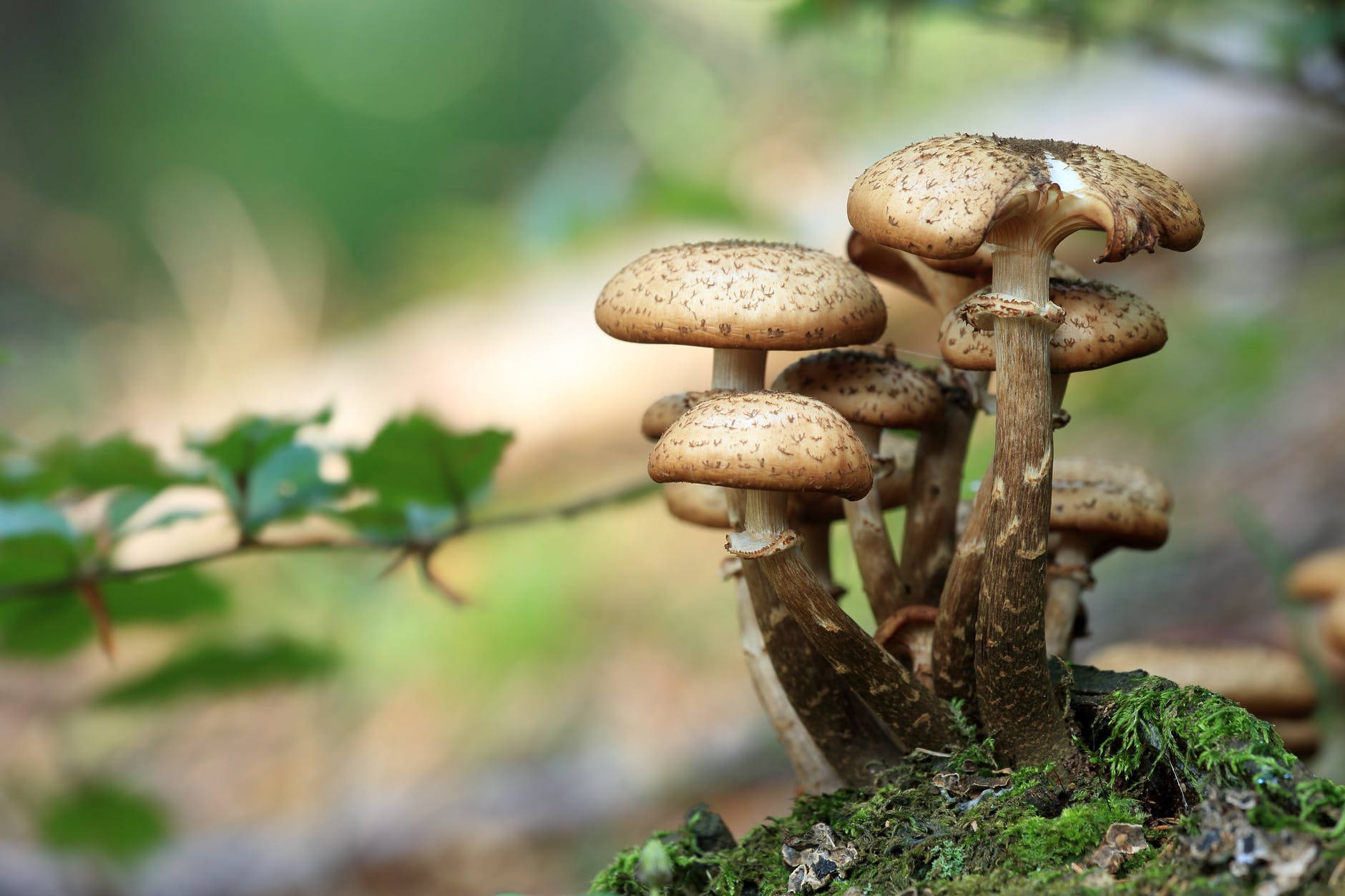
Photo by Pixabay on Pexels.com

When thinking about foods that act as medicine, mushrooms are one of the most prominent throughout history. Mushrooms have been used to treat many kinds of diseases and ailments, and are still being used today in many modern medicines. Today, they are being studied to isolate specific chemicals produced in certain species that help with certain illnesses. For example, penicillin is a chemical compound found in Penicillium molds, and is now used widely as an antibiotic. Use of mushrooms as medicine precede modern science, and in many ways, modern science is actually trying to catch up with traditional knowledge of the different healing effects of mushrooms.

Mushrooms have been used as a medicine throughout ancient cultures all over the world. The Otzi man, found frozen in Austria for over 5,000 years, was discovered carrying a few different types of mushrooms. One being Birch Polypore which we now know has chemicals that help fight infections. (1) (2)

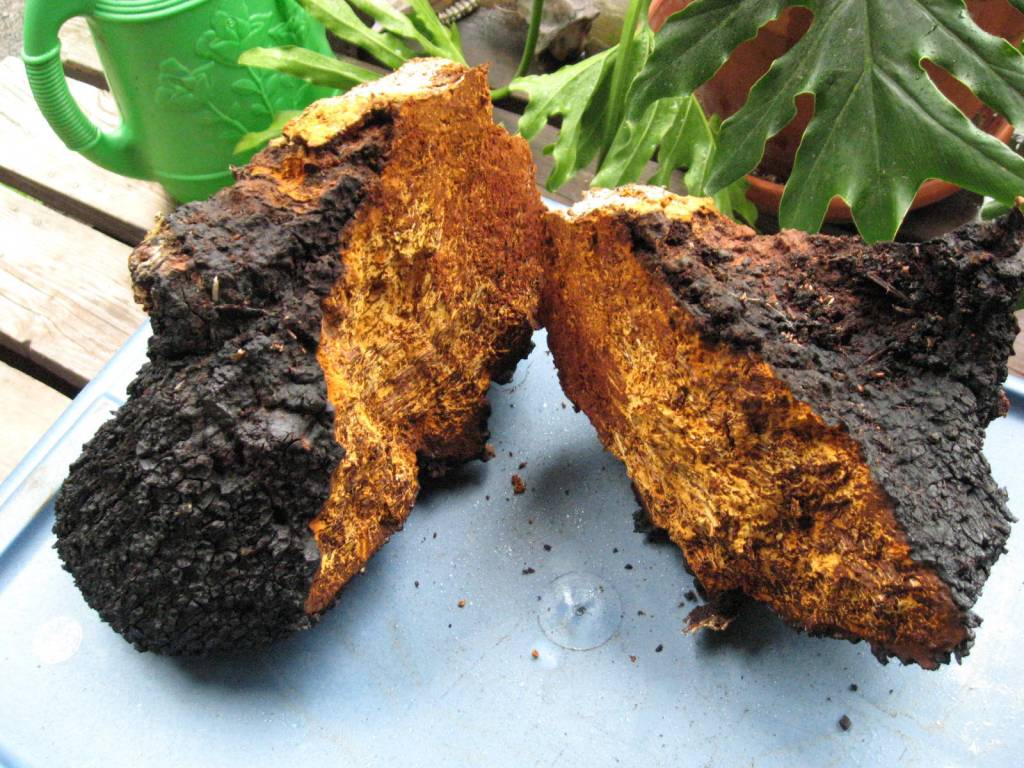
Another mushroom used in traditional medicine that science is now finding has beneficial use is chaga. Chaga is a fungus found across North America and Russia and was used for inflammation and to help treat arthritis. Studies are now finding that the high amounts of melanin and and antioxidants in chaga also might have uses in slowing the spread of certain cancers. (3)

However not all mushrooms used were to aid in physical ailments. Some were used to treat ailments of the mind. In places like India and Central America, psychedelic mushrooms had a place in treating things like seizures, migraines, depression and many other neurological disorders. They also would have been used in religious rituals and ceremonies in order to commune with their gods. (4)

From Psilocybin Mushrooms New York – All Mushroom Info

Current uses of mushrooms seem to be split between culinary use and medicinal use. Modern medicine is studying the effects that different chemicals derived from mushrooms have in treating many diseases. These include cancer, malaria and diabetes. Culinarily, mushrooms are used purely for flavor. I think this split between food and medicine is actually a detriment to it’s use, especially since many of the mushrooms we use in cooking have health benefits. For example, if you have an inflammation issue where you would normally take an anti-inflammatory medication, why not just add chaga to your diet and use the anti-inflammatory drug for flare ups? Many anti-inflammatory drugs, if taken too frequently, have negative effects on your stomach and gut health, so the less you have to take these medications the better. (5) Why, then, isn’t food used as a preventative measure to, if not avoid, reduce the number of medical treatments one has? Relying on medicine to keep you healthy has many flaws, as does relying only on “natural” ways of staying healthy. I believe that we achieve true health when we combine the knowledge we have of food and medicine and don’t rely too much on one or the other. When speaking of psychedelic mushrooms too, I think it is a shame that they were blacklisted for as long as they were so that no research could be done to find potential benefits. Now we are seeing states ease up on laws regarding psychedelic mushrooms, opening the door for research on the effects these chemicals may have on mental health and other neurological issues.

  1. Medicinal-Mushrooms.pdf (vtherbcenter.org)
  2. The Discovery of Otzi the Iceman and Its Significance (thoughtco.com)
  3. Chaga Mushroom: Benefits, Side Effects, and Preparations (verywellhealth.com)
  4. Drugs in Early Americas Included ‘Magic’ Mushrooms and Toad Skins | Live Science
  5. NSAIDs for Rheumatoid Arthritis: Anti-inflammatory Drugs (webmd.com)

When Food Becomes Medicine

From Food as medicine – My Pro Blog

Growing up as the son of an internal medicine physician, I would always hear of the importance of medicine. How not taking your prescribed medicine or taking too much of your prescribed medicine was bad for you. I was taught the vital importance of medicine, but also to make sure to understand the reason I was taking the medication. I was also taught, most importantly, that it would be better to not have to take any medicine if I could avoid doing so. My dad was always talking about preventative medicine, and how he wished people would understand how important the everyday maintenance of your body was, and how it would mean less visits to the doctor where you’d be prescribed medicine to cure you. It was like western medicine was dedicated to curing people rather than keeping people healthy. And while curing people is a necessary part of healthcare, the continuous upkeep and maintenance of ones health should also be a priority. This daily upkeep is where I believe what you eat makes the most impact. It is also the intersection of three different types of anthropology: Food Anthropology, Medical Anthropology, and Nutritional Anthropology.

I recently read an article on Food Anthropology from Ashley Thuthao Keng Dam of Università degli Studi di Scienze Gastronomiche where she does exactly this. (I’ll pin the article at the bottom of the page.) She explores how different food and dishes are viewed as both a preventative medicine as well has a curative one in Khmer culture in Cambodia. Another example of this is the use of certain teas, like Lu’an Tea, in Chinese culture as a preventative and curative medicine. This is where I think the main divide is between “eastern” and “western” medicine. Eastern medicine tends to focus more on preventing illnesses where as western medicine focuses more on curing illnesses. And while each have their pros and cons, I think it would be best if we could combine the best of both to make the healthcare system better and therefore make people in general healthier.

Viewing food as a preventative medicine as well as a source of nutrition would solve a lot of problems as well as help people to avoid many different kinds of illnesses. The whole idea is that, if you eat foods that are highly nutritious and good for you, then you won’t get sick as often and therefore won’t need to cure that sickness with medicine that tends to have more side effects. There’s also the fact that some foods have naturally occurring chemicals that are good for very specific things in your body. Like antioxidants, which help to bind up free radicals in your body which are said to be responsible for a whole host of illnesses. Contracting these illnesses might mean having to go on multiple medications to cure and cope with the symptoms of the illness (or other medications), but could have been avoided by just eating a healthy diet.

Now, I’m not going to be the person who talks about what food is healthy versus what isn’t or what diet is the “healthiest” and will prevent every disease. And that’s because I don’t think there is one right answer. I think this is where there can be a lot of work done by medical, food and nutritional anthropologists to figure out how to incorporate different cultural ideals, remedies and medical practices to make the healthcare system at large better. This is why I get a little discouraged when people assume anthropology is “digging for bones and ceramic pots”. Or that I study ancient civilizations or “native” people in antiquity. Anthropology has a role in the current day as well and this is a perfect example of that. To provide more examples of how food can be used as medicine, I’ll be starting a new blog series called Medicinal Foods to dive deeper into this topic.

  1. Curative Cuisines of Cambodia – FoodAnthropology
  2. Free radicals: How do they affect the body? (medicalnewstoday.com)
Design a site like this with WordPress.com
Get started