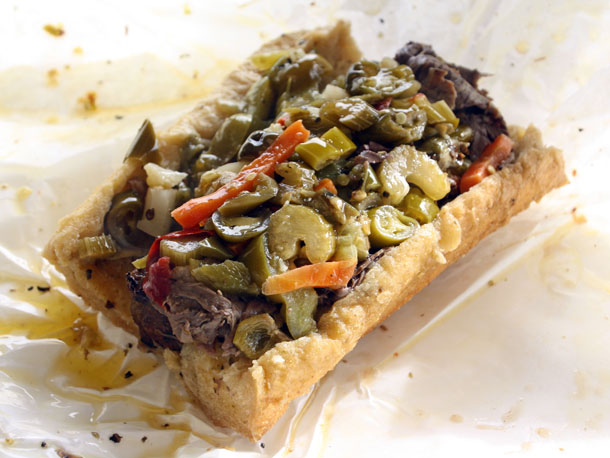
If you’re from the Chicago area, then chances are you have a favorite Italian Beef Sandwich spot. The arguments can get heated over who has the best Beef in the city. Are you a fan of Portillo’s? Al’s? Or one of the many other restaurants that serve this regional favorite. Then there is the question of how you get your Italian Beef; with giardiniera, without giardiniera? Dipped in au jus, au jus on the side or completely dry? Almost every Chicago native has a preference for how they take their Italian Beef and where they get it from. I personally prefer my Italian Beef Sandwiches from Al’s Beef, dipped in au jus and topped with giardiniera. But how did this dish come to be? And why is it so popular in Chicago?
Like many popular regional foods that I have showcased, the Italian beef sandwich has humble origins. There are a few stories about how the Italian beef sandwich came to be. One possibility is that it started off as a way to feed all the workers working in the stock yards (meat butchering and packing industry) on the south side of Chicago in the early 1900s. Many of these workers would bring home some of the tougher cuts of beef to eat at home. They would slow roast it, and put it in a sandwich to take to work. Another story claims that it started as a way to feed many people with a small amount of meat. The beef is sliced very thin and folded into the sandwich, making it seem like there is more meat in it than there really is. This was Scala Packing Company’s and Al’s Beef’s way of catering Italian weddings and other large gatherings after World War 1 and during The Great Depression. Either way, the Italian beef sandwich came from hard times and was the product of people’s desire to make the best out of what they had.
You can’t talk about Italian beef sandwiches without also mentioning giardiniera. Chicago-style giardiniera is a blend of different vegetables all pickled together and marinated in olive oil. Traditionally these include: sport peppers, bell peppers, celery, carrots and cauliflower. This comes from Italian giardiniera which usually is more sweet than spicy and includes just bell peppers, celery, carrots, cauliflower and gherkins. This garnish is served with many items in Chicago, but most prominently on Italian beef sandwiches. It helps to give the sandwich a little heat and sweetness to compliment the savory and salty beef and au jus.
Growing up in and around Chicago, Italian beef is something that I have memories of from when I was very young. It seems that every event here is catered with Italian beef. I couldn’t count all of the family gatherings I’ve been to where Italian beef was served. It was just a given that if we needed to cater a party, we’d be serving Italian beef. And my family isn’t even Italian. This is a great example of a food that began as an ethnic food started in America by immigrants and has since transcended to being taken in and accepted by the broader culture where it was introduced. Now, Italian beef is a part of Chicago food culture, right along side deep dish pizza. Have you ever had an Italian beef sandwich? Let me know your favorite spot and how you like to get yours!
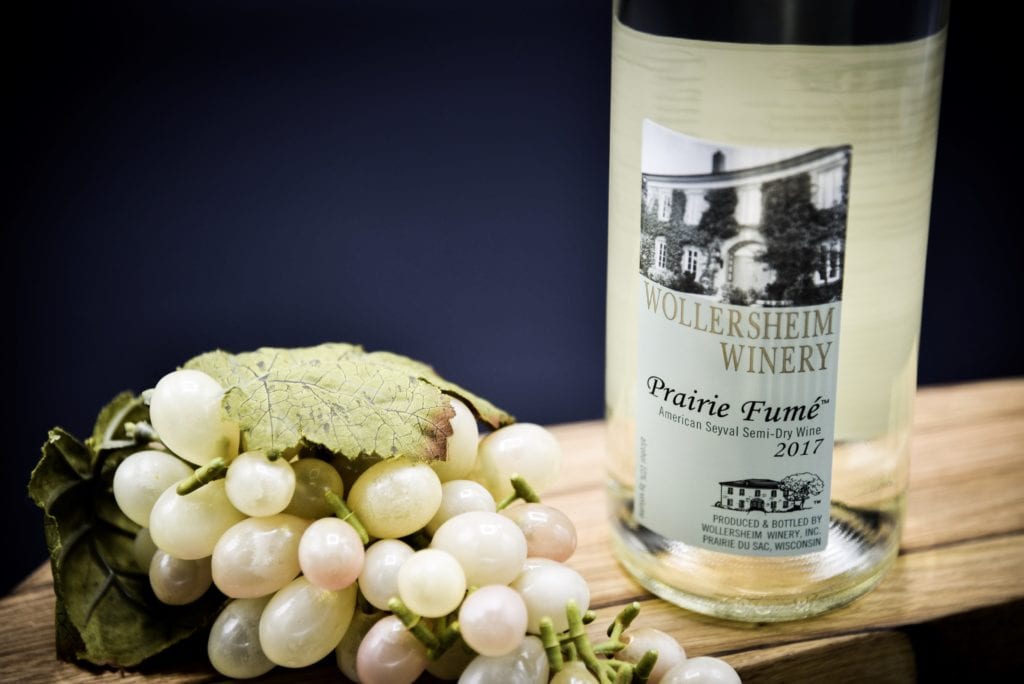
Today when you see alcohol commercials on TV, the main images they show are people having a good time, relaxing and being social. But some alcohol’s have different connotations tied to them. Wine is perceived as more of a “high end” alcohol than beer or vodka. This is, in part because of the history of wine, and the craftsmanship that goes into making wine. However wine also has deeper roots in terms of religion and even in our human history. Wine, it could be argued, helped humans survive during the Agricultural Revolution. In fact, it is debated that wine is what actually started the Agricultural Revolution 10,000 years ago. Even without these conjectures, there is no doubt that wine is more than just a trendy alcohol and there are reasons behind its longevity in human society.
Wine’s origins have been highly debated over the years, but recent archaeological evidence dates the earliest site to be in the country of Georgia at 8000 BC. What they found was evidence of a winery that produced wine on a very large scale for that time, a time when bones and stones were still used as tools in much of the world. Which begs the question, why did so much time and energy go into wine making when agriculture was such a new concept? The Agricultural Revolution is thought to have begun between 8,000 and 10,000 BC, this was the time when farming was first implemented on a large scale and humans went from a nomadic lifestyle to a more sedentary one. With that in mind, starting a winery in the beginning of the Agricultural Revolution doesn’t make too much sense if the main goal of agriculture is to feed people. This leads to the idea that wine (and possibly beer) were more than superfluous drinks that only had a recreational purpose.
It is thought that wine served the purpose of water purification. Fermenting things produces alcohol, and alcohol neutralizes many impurities that might otherwise be in food and drink. During nomadic life, eating food and drinking water wasn’t as dangerous since everything was fresh, if you needed food you went and got it, if you needed water you went to a river and drank some. And if their wasn’t any in that area, you moved on to the next spot. It’s similar to the reason why animals in the wild don’t get sick when they drink water or eat. However, once humans settled down and created settlements that they stayed in, it brought along a lot of unforeseen issues. One being waste disposal. Staying in the same place means that all the waste you produce also stays there with you. This can pollute your water source and food source if not disposed of properly. Water is necessary for survival, so what do you do if your only water source is polluted? You have to purify it, and one of the ways ancient humans might have done this was by making their water in to alcohol.
Along the same lines of purification, this leads into the religious significance of wine. In Christianity, wine is used to “purify the soul”. Wine, along with bread (another staple of the Agricultural Revolution) are blessed and offered to the people of the church. This offering is to aid in purifying the soul of the consumer to be worthy of going to heaven, as Jesus is said to be present in this ritual and Jesus is the Savior of mankind in Christian Theology. I believe that wine being used as a purification mechanism in this rite is no mistake. If wine was an important purifier in early human history, then it makes sense that it would be used in a religious rite later on.
Since then, wine has been largely associated with France, as the majority of wines produced comes from there and they have a long tradition of wine production. This is the point in which I think wine strays from it’s original purpose and takes on it’s current recreational role. It is the point where wine production becomes a craft and more varieties come out based on the grapes you use, where they are grown, and how you ferment them. Wine pairings also come out of this, using wine to compliment and and add to a meal to make it more pleasurable. It has also become a cultural marker in some places. For example, in France and Italy, wine is generally drunk everyday with meals. In the United States, wine is used to signal a special occasion. Sparkling wine is drunk at New Years Eve, and if you go out to a nice restaurant you’ll usually get wine with dinner.
Wine is something that has had a long presence in human history, and continues to be important to this day. Even though the meanings behind drinking wine have changed with time, our obsession with it has not. It is one of the most popular alcoholic drinks commercially, and new wineries open up every year all around the world. I think it is safe to say that wine is here to stay.
Halloween brings back memories of excitement about Trick-or-Treating and dressing up as the scariest thing I could think of that year and seeing the costumes of my friends. How, as we got older, we would ride our bikes to different subdivisions that had “the good candy” and playing pranks on my friends to scare them. Now that I am too old for Trick-or-Treating (apparently), I enjoy going home when I can and helping my parents decorate their front yard as creepily as I can to scare as many Trick-or-Treaters as I can. Little did I know growing up that all of these traditions are rooted in ancient Celtic traditions. So in honor of my favorite holiday, I present Food Traditions Surrounding Halloween and Samhain.
Origins
Samhain is a pagan Celtic festival marking the beginning of winter, celebrated from October 31st to November 1st every year in the areas of Ireland and Scotland. This date seems of little importance in terms of the crop season, however early Celts were pastoralists, mainly relying on herding cattle. This date reflects the time that they would bring their cattle in and slaughter some of the herd to get them through the cold winter months ahead. According to Celtic Mythology, this time was also a time when “doorways” to the Otherworld (underworld, hell, etc) would open up. This would allow the spirits of the deceased to roam freely in our world. From a cross-cultural analysis, this is very similar to Día de los Muertos in Central America. Even to the point that Christian missionaries incorporated both of these once pagan festivals into the Christian holidays All Saints Day and All Souls Day in order to help convert these pagan societies to Christianity. Despite their similarities, more of the traditions from Samhain made it into what we know in the US as Halloween.
Food Traditions During Samhain
During the Samhain festival druid priests would light giant bonfires in order to “hold back” the onset of winter for as long as possible as well as for divination purposes. Huge feasts would be held near the fire, consisting of recently slaughtered livestock, who’s blood was sprinkled around the houses as an offering to the earth as well as to ward off unwanted spirits.
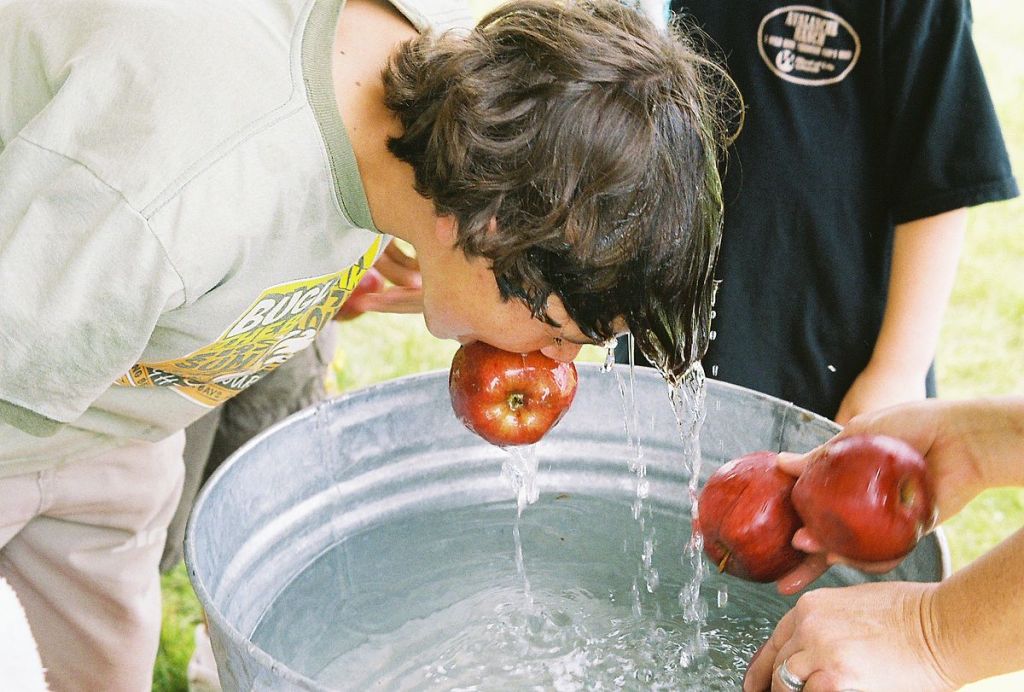
Apples and hazelnuts were used in divination rituals and games. Apples specifically were associated with the Otherworld and the immortal. This is where bobbing for apples comes from. The peels of apples were used to tell the future by throwing them over your shoulder. Whatever letter the peel resembled after throwing it was the first letter of the name of the person you were supposedly going to marry. Hazelnuts were used to tell the future as well. Two were placed in a pot over a fire, representing you and the person you liked. If they stayed together throughout the roasting process than it was seen as a good match, but if they popped away from each other then it just wasn’t meant to be.
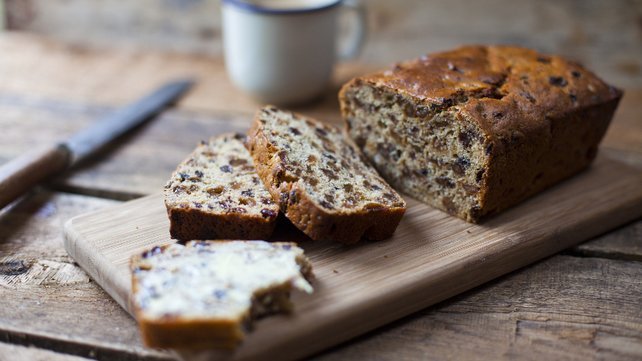
Another food tradition involved putting items into baked goods like a cake, barmbrack or cranachan. Pieces of these would be served randomly to people and whatever item you got was representative of what the next year held in store for you. For example if you found a coin in your piece then wealth awaited you the following year.
Most of the food traditions that I highlighted above aren’t practiced much anymore. However there are a few that have survived through Halloween. One of the things early Celts would do is send their children door to door to collect food for the massive Samhain feast. However, they needed a way to keep their children safe from the wandering spirits that roamed the earth during this time. To do this, they dressed their kids up in scary costumes meant to mimic the evil spirits in order to scare them off. In Scotland they took this a step further, in that if a household refused to give them food or welcome them into their home, they would cause mischief and pull pranks on those households. This is where the term “Trick-or-Treat” comes from and where the entire practice of going door to door dressed as a ghoul to collect food (candy) came from.
So how did this become what we all know as Halloween? Why did the Samhain traditions live on and become popularized while similar traditions in other cultures did not? The reason is two-fold: early Christianization of the Celtic people and mass immigration to the United States. The Celtic lands of Ireland and Scotland were largely Christianized from the 5th to 8th centuries. During this time, all pagan traditions and beliefs were either eradicated or incorporated into a Christian framework. Samhain was one of the traditions incorporated, but instead of Samhain, it was now called All Souls Day (Nov 1) and All Saints Day (Nov 2). Because of this incorporation, many of the traditions of Samhain carried over to Halloween and is a deeply rooted tradition because of it. On top of that, many of the first colonizers of America came from a Celtic background. These settlers brought with them their traditions from home and influenced other settlers with those traditions. Since there really weren’t any competing holidays during this time from other colonists, Halloween was adopted by the masses and continues to be celebrated to this day. The main reason why Día de los Muertos isn’t as popular as Halloween in the United States despite its closer proximity spatially is unfortunately because Halloween was the holiday of the colonizers and Día de los Muertos was the holiday of the colonized. And while Día de los Muertos is gaining popularity, Halloween is still the dominant holiday in the United States.
Nonetheless, this is my absolute favorite time of year. From the weather getting colder to the days getting shorter, there is a sense of urgency to get ready for winter during this time. How cold will it get this year? How much food should I stockpile incase of a blizzard? Will I need to bring out my winter jacket next week? If you ask me there is also an inherent sense of the supernatural during this time as well. Seeing the leaves on the trees fade from green to orange to red to brown, seemingly dying right before your eyes. The cold air muting noises as you walk home alone at night, as you wonder if that was a ghost you saw float between the trees or just your imagination. Curling up in your bed as you ponder the thought, all the while feeling like you’re being watched from across the room….
Ever since I was a kid I have always loved food. But more than that, I have always wanted to try food that was completely new to me. On family vacations, when we would go out to a restaurant to eat, I would pick out the weirdest thing on the menu and try it. I would do this because I wanted to be different and try something that other people wouldn’t think of trying, however it had a hidden effect as well. When we would travel to these new places, the food culture was different than what I was used to growing up in the Midwest. Places like Hawaii had vastly different dishes than what I was exposed to growing up. So I ended up trying very unique things to those specific places. This is really what drew me to anthropology. Through eating the food, I was being introduced to the overall culture. Keeping with the Hawaii example, trying the food there made me interested in researching Polynesian mythology, cultural practices like tattooing, and dancing. I was also drawn to what the cuisine of Hawaii said about the natural resources of the island that are utilized by the people who live there. Obviously Hawaii is part of the United States of America and is therefore influenced by the overall culture of the nation, as well as capitalism and urbanization. Even so, it is still much different than the culture of the Midwest and that intrigued me.
This realization that culture could be expressed through food is what ultimately drew me to anthropology and what made me focus on food anthropology specifically. To me, food is the backbone of culture. When immigrants came to America, they couldn’t bring much on the voyage overseas. But they did bring the cuisine of their culture, and that is largely what identified them as being from that culture, other than the language they spoke. Now, most Americans speak English as their first language, so they identify their culture by the food that they make. For example, my cultural heritage is mostly German and Polish, but I don’t speak those languages. Instead, I grew up eating traditional German and Polish dishes like Spätzle and Gołąbki. When I grew up, I learned how to make those dishes, therefore extending the cultural tradition and maintaining my cultural identity.
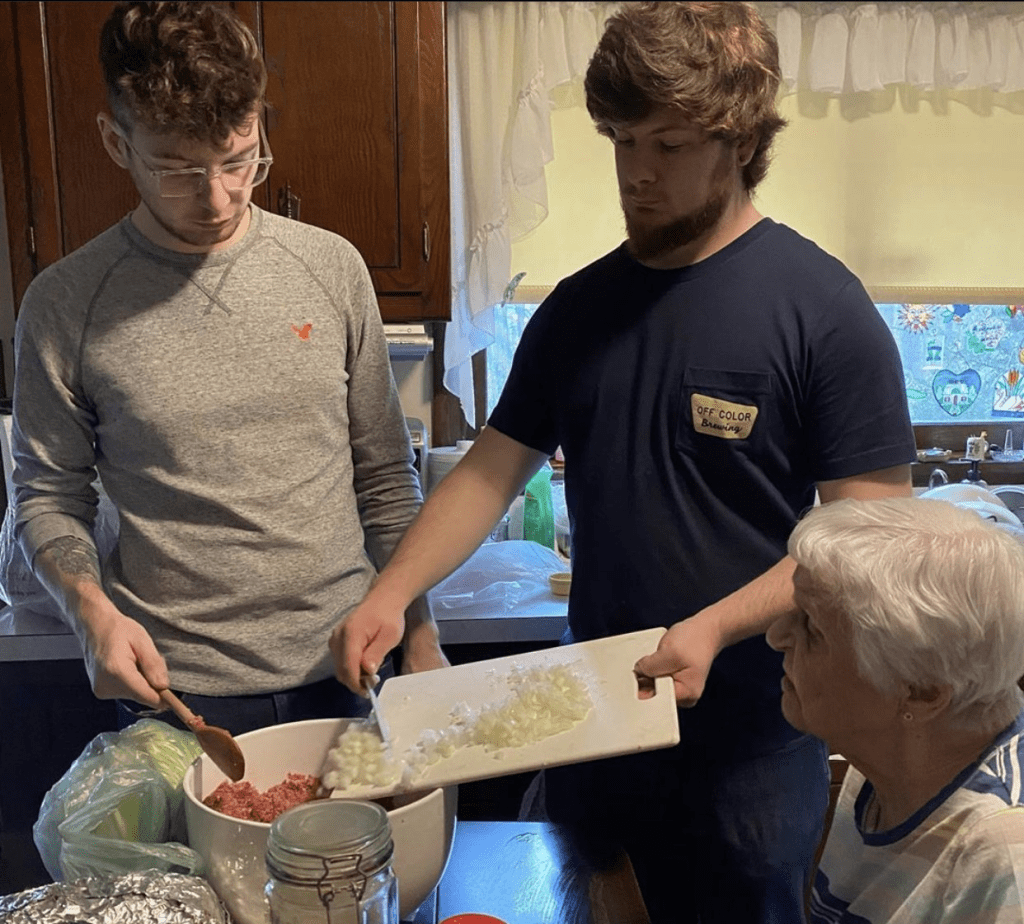
My grandmother teaching my brother and I how to make Gołąbki.
Personally, I think it is most interesting what food can teach us about other cultures. When someone is cooking for you, you are getting a piece of them. You see what they think tastes good, the ingredients they are influenced by and what they grew up on. When someone cooks for me, I find that I know that person better than before. Food strikes up conversation that you might not have with that person otherwise. This is why I believe that food, while being the gateway to another culture, is also a connection between two separate cultures. The similarities between my Midwest culture and say, someone from Western Africa might seem, on the surface, pretty sparse. But we both need to eat food, and although it may be a different cuisine than I’m used to, if I find myself in Western Africa I will eventually need to eat. That fact alone gives the foundation for cultural understanding and connection.
In a time when it seems the world, especially the “United” States is splitting into factions, I think it is important to remember that we are all human and we all have the same needs. I think it is important to spread a message of connection rather than separatism, understanding rather than hate. The more we understand each other, the harder it is to hate one another. It takes away the “us vs them” mentality and replaces it with “we”. Food is how I am choosing to do this because food is universal. However the stories behind food aren’t always told or understood. I want this blog to be a virtual buffet of cuisines that spark your interest and encourage you to learn more about them. Connect to different cultures through the food you learn about here. But most importantly, go out and try new things with new people.
One of the fondest memories which strikes my mind whenever I close my eyes and try to revisit my childhood is of my father carrying me on his shoulder on a dirt road overlooking a river on one side and a paddy farm on the other. Before leaving our house my mother used to smear ghee(clarified butter) on a roti(tortilla), crush jaggery on it, make it as a roll and hand it to me which I used to savour with great enthusiasm while listening to folk tales sitting comfortably on my father’s shoulder. Late at night after dinner, when silence used to seep in and it was time for bed, my mother used to embrace me in her lap and used to sing a lullaby which translates to :-
Uncle moon from far, makes bread with jaggery and flour
Eats himself in expensive plate, makes the kid eat in clay vase..
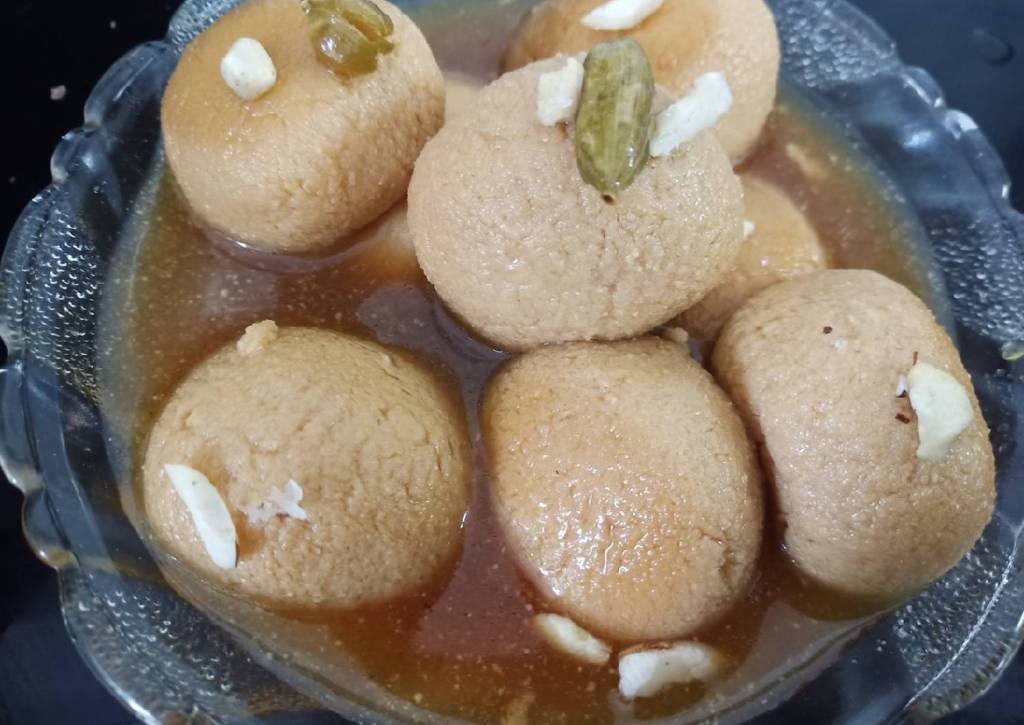
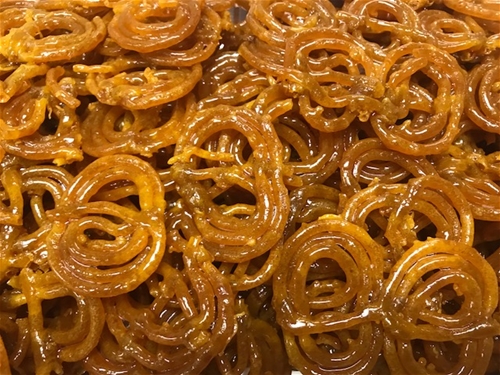
I never understood the context of it but I used to giggle back then and slowly went into a deep sleep in the comfort of my mother’s arms. During summer vacation I used to visit my ancestral village. Whenever I try to remember those scenes, the first image that strikes my mind is of sweet stalls by the side of the road in the main market of the village where a guy sitting by the side of an open clay oven on which a big pot filled with boiling oil is placed. Jalebis (syrup filled flour rings) are being fried in it which is then dipped into jaggery syrup. Adjacent to the guy used to be a closed rack with glass displays where various sweets were racked like rasgullas (cottage cheese balls) dipped in jaggery syrup, gram flour sticks covered with jaggery and fennel seeds to name a few.
Rasgulla Jalebi with jaggery syrup
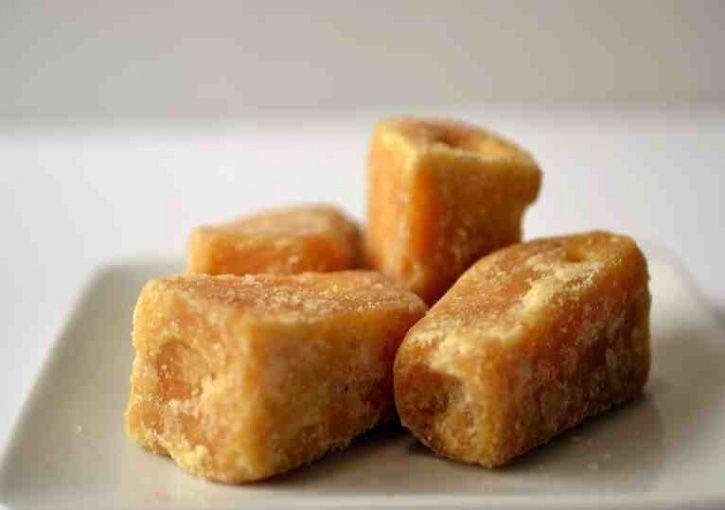
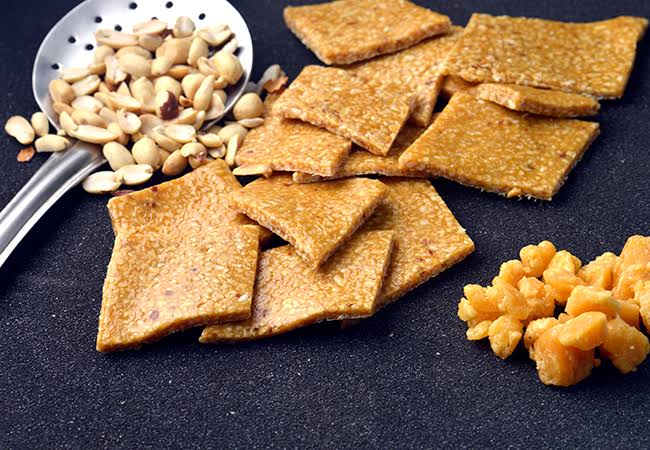
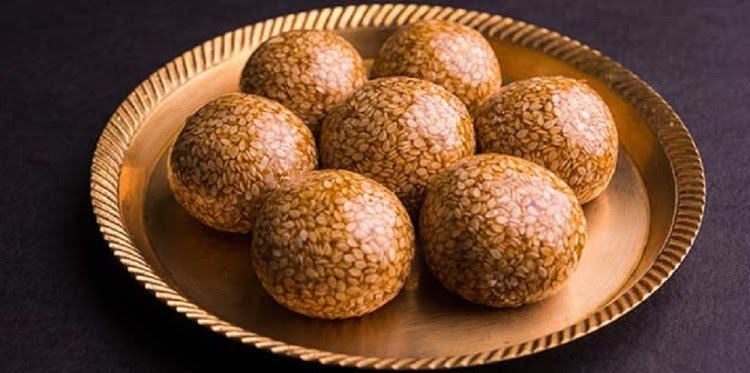
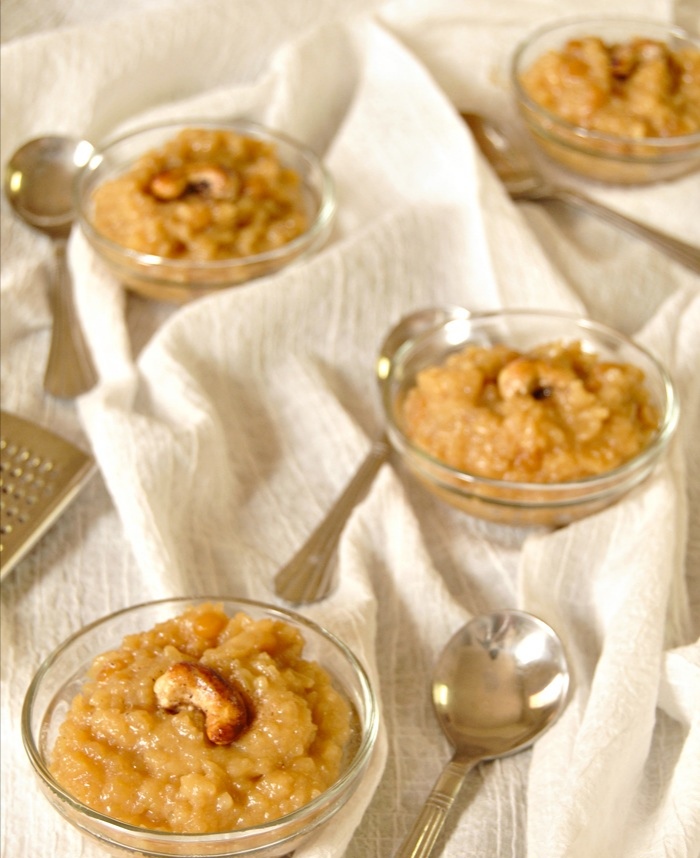
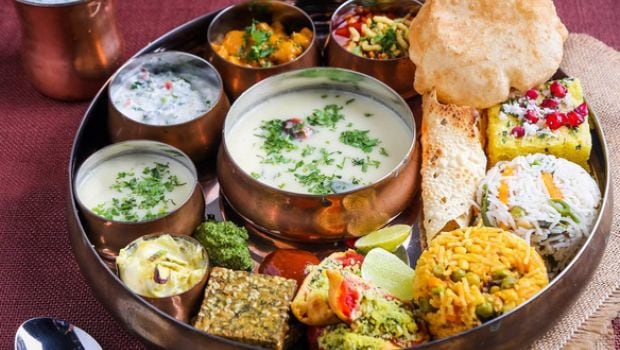
Now that the term jaggery has made multiple appearances in the paragraph above, its evident that I intend to talk about jaggery. Jaggery is a traditional non centrifugal sweetener consumed in Asia. It is obtained by extracting sugarcane juice and plam juice where mollases and crystals are not separated. Jaggery is an integral part of cooking culture in India and other South Asian countries like Myanmar, Sri Lanka, Pakistan, and Nepal. Talking in context of India, jaggery is used in various dishes both sweet and savoury across the length and breadth of the country. For example in the month of January, a festival of Makar Sakranti is celebrated all over India in respect of a good harvesting season and jaggery is a key ingredient. It is used in cooking during this time, like rice pudding with jaggery as a sweetener known as Kheer in North India and Payasam in South India. In North India, flaked rice and yogurt is consumed with Jaggery to celebrate this festival. Different kinds of sweets like sesame seed with jaggery, puffed rice with jaggery, cashew nuts with jaggery and so on are made across the country. In the western state of Rajasthan and Punjab, sweet rice is made by boiling rice and adding Jaggery to it. In the state of Maharashtra and Gujarat, flat bread stuffed with boiled lentils and jaggery is known as Puran poli. In Gujarat they also put jaggery in their vegetable curries and lentil soups as they believe it enhances the flavour and give them a sweet and savoury taste. In the eastern coastal state of Odisha and Bengal, they prepare rice dumplings stuffed with jaggery and grated coconut in it known as Pitha. In state of Bengal, Rasgulla (cottage cheese balls) dipped in sugar or jaggery syrup is quite famous and is a kind of identity of the people belonging to that state. In the north eastern state of Assam they prepare a kind of tea which makes use of Jaggery in it as a sweetener and is quite famous among locals. In southern states of Tamil Nadu, Karnataka and Kerala they put jaggery in sambhar (vegetable and lentil soup) to tone down the pungentness of spices used in it. In the ravines of Chambal, Central India, which is infamous for bandits (outlaws), jaggery is one of the only few sweeteners available to them because of their isolation from the external world. In other uses jaggery is used to make toffees, pumpkin jaggery cake, cashew jaggery cake, etc. It is also used in making rum and palm wine.
JaggeryPeanut and jaggery sweetSeseme deed and jaggery sweetRice puddingGujarati thali which uses jaggery in vegetable curry and lentil soup for sweet and savoury flavours.
So how is jaggery made?
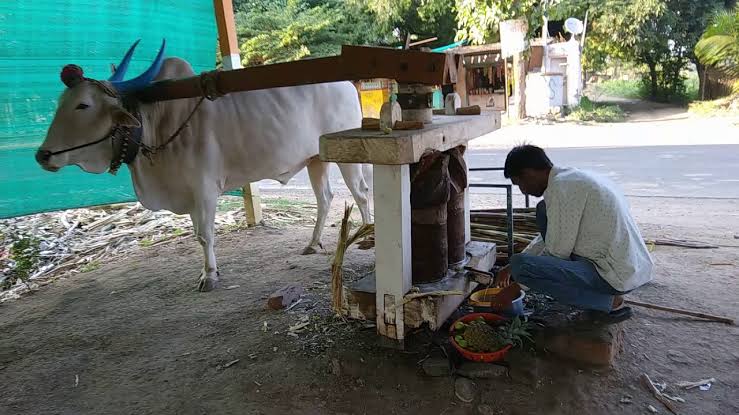
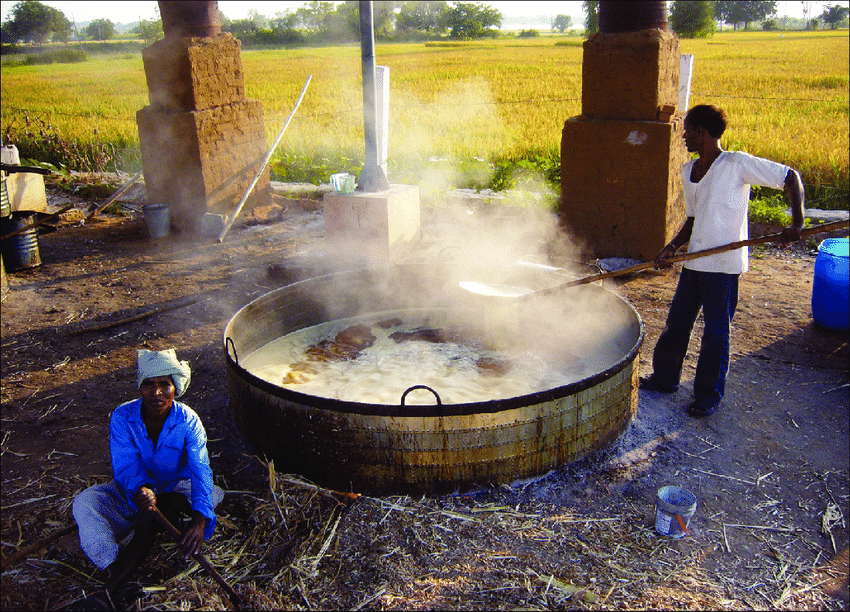
I remember in my childhood visiting my Aunt’s house. Adjacent to her house there was an open area with a few trees. Below one mango tree there was a setup of two adjacent cylindrical stones mounted on a plank with a rotating axis fixed to a plank. The plank was connected with a wooden arm which was tied to an oxen. With the movement of the oxen, the cylindrical stones used to rotate along its axis and sugarcane sticks were placed in between the two rotating stones to grind sugarcane and extract the juice out of them. The juice was then collected in a container placed below the setup and it was filtered afterwards using a cloth piece to separate robust impurities. Once the clear juice was separated, it was then poured into a huge container with flat base and placed on a brick oven out in the open. There, it was boiled and the end result looked like brown paste which was then cooled to make jaggery cakes. This used to be the traditional way of making jaggery but this kind of setup is rare to find now. Earlier farmers used to produce jaggery independently but are now replaced by huge industrial units that produce different types of jaggery on an industrial scale.
Oxen used to extract sugarcane juice(traditional) Sugarcane juice being boiled to produce jaggery
Jaggery is not just an important part of cooking culture in Asia, it also holds much importance in day to day cultural and religious activities as well. Jaggery is considered to be the purest form of sweetner because no chemicals or animal charcoal, which is used in bleaching sugar, are involved in the preparation of jaggery, so its considered pious. Any kind of religious offerings to dieties which involves sweetner, jaggery is used in it. In Hindu culture, after religious activities, devotees are offered with panchamrit which is made up of five ingredients, jaggery is one of them, the other four are yogurt, cow’s milk, ghee and honey. Even the food made in religious ceremonies which is distributed in society to the general public, any kind of sweet dish involved uses jaggery as sweetner in it. In cultural perspectives, guests in various parts of India, especially rural India, are greeted with a piece of jaggery and cold water to beat the heat. In states where opium is produced, guests are welcomed with a drink made of opium, water and jaggery. In community gatherings in the state of Rajasthan and Haryana, hookah is of great fashion, it is a means of bonding among community members, the tobacco used in those hookahs are mixed with jaggery to give a sweet taste to smoke. Jaggery has been mentioned in ancient texts like Sutra, folklores mentioning different kind of sugars, (one of them written by Kautilya (300BC )) ,in poems metaphoring gentle personality and sweet voice to that of jaggery, even in Mahatma Gandhi’s texts highlighting social issues of farmers where he writes -”According to the medical testimony I have reproduced in these columns, gur (jaggery) is any day superior to refined sugar in food value, and if the villagers cease to make gur as they are already beginning to do, they will be deprived of an important food adjunct for their children. They may do without gur themselves, but their children cannot without undermining their stamina. Gur is superior to bazaar sweets and to refined sugar,”
Jaggery is known for its health benefits as well. I remember when I used to catch a cold, my mother used to make a drink using hot milk, turmeric and jaggery and it definitely used to work wonders on a general cold. In winters, my mother used to prepare laddoos (sweet balls) made of turmeric, flax seeds, peanuts, raisins, dried ginger, cashew and jaggery, it used to be tasty and helped us in beating the shivering cold. Jaggery is loaded with antioxidants and minerals like zinc and selenium which helps in boosting immunity. Jaggery is also considered an anti inflammatory and a natural cleaner, so it helps in detoxifying the liver as well. Due to the presence of Magnesium, it activates enzymes which stimulates the gut and helps in digestion. It’s a rich source of iron and folate, thus helping in maintaining hemoglobin level in blood It also eases menstural pain. Due to the presence of potassium and sodium in it, it maintains the acidity level in blood and helps in maintaining blood pressure. Also being a natural sugar, a simple carbohydrate when absorbed in blood, it provides instant energy as well. But excess of everything is bad, excess consumption of jaggery can lead to weight gain, rise in blood sugar levels, nausea and other minor health issues, so it’s better to consume it in regulated way. Sadly the jaggery, which is so much part of day to day culture and food habits in Asia, is devoid of the fame it deserves in popular culture. The reason behind this may be Asia’s obsession towards the West and considering the things consumed in the West as superior. Someday a western chef will discover jaggery as it is and it will get its cachet of exclusivity.
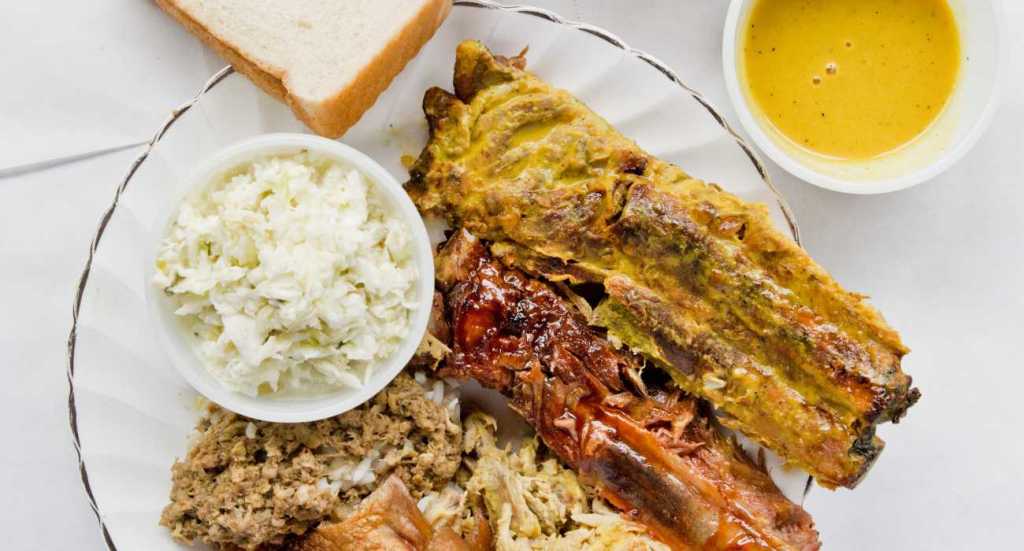
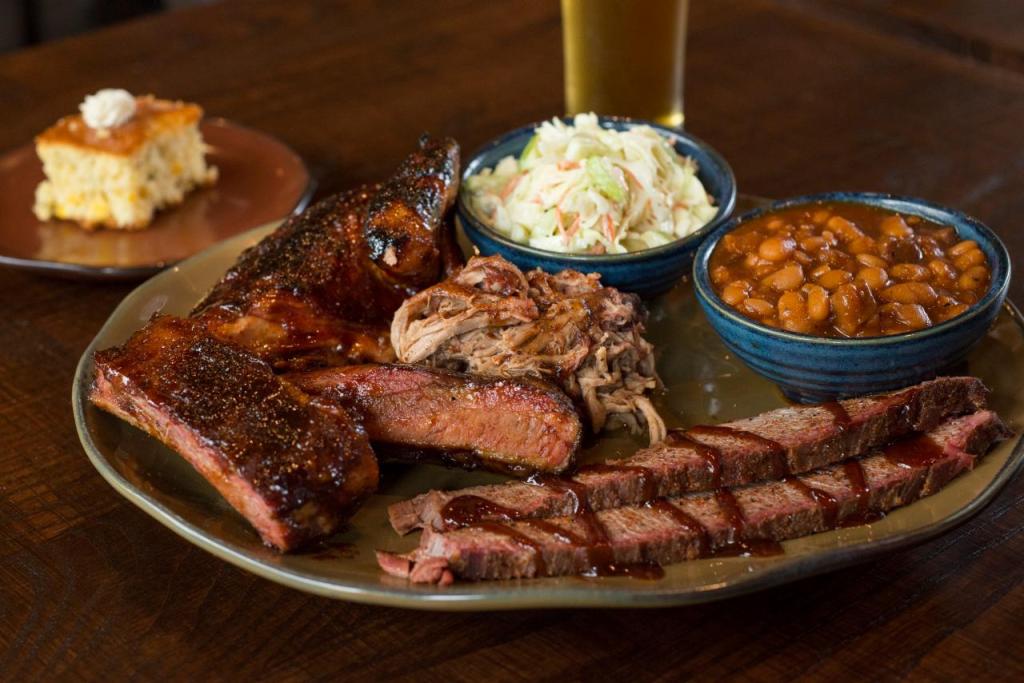
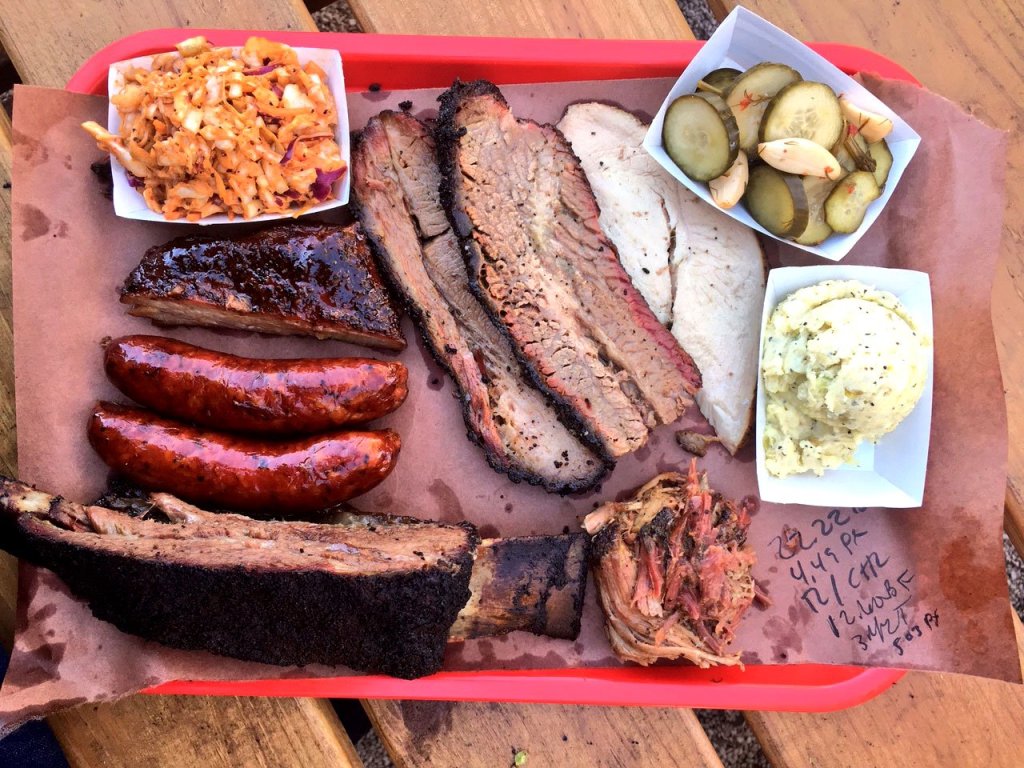
One of the great things about summertime is getting together with family and friends on a sunny day and grilling up some meats. In the United States, this is usually done on summer holidays like Independence Day and Labor Day, or during exceptionally nice weekends. A barbeque can refer to both the gathering of people to cook, as well as a cooking method. The techniques used in barbequing include, smoking, grilling and/or roasting. There are many different styles of barbeque in the United States, all of which originate in the South. Barbeque consists of three specific things: meat, wood smoke and a sauce or seasoning. However the type of meat can vary as well as the wood you use to smoke the meat. Sauces and seasonings also vary from region to region. This makes barbeque a very complex subject and results in people who don’t understand its origins or complexities to lump all the styles together.
Like all great foods, barbeque has humble beginnings and was born out of hardship. The word “barbeque” comes from the Spanish word “barbacoa”, which is thought to have come from the Arawak (indigenous people of the Caribbean) word “barabicu”. This was the Arawak’s word for cooking meat on a wooden stick framework over a fire. Because of the native origin, this cooking technique was thought of as “savage” by European settlers and was therefore shunned in society early on. However, African slaves in the south used this cooking method because they had a very similar cooking technique that was traditional in Africa, where you wrap meat in leaves and bury it in the ground heated by hot coals. This way of cooking involved minimal equipment and would use cuts of meat that would have been thought too tough to cook for the slave owners. Like many of the other foods I have discussed that are now revered in the US, barbeque started as a survival food, born out of the necessity to eat.
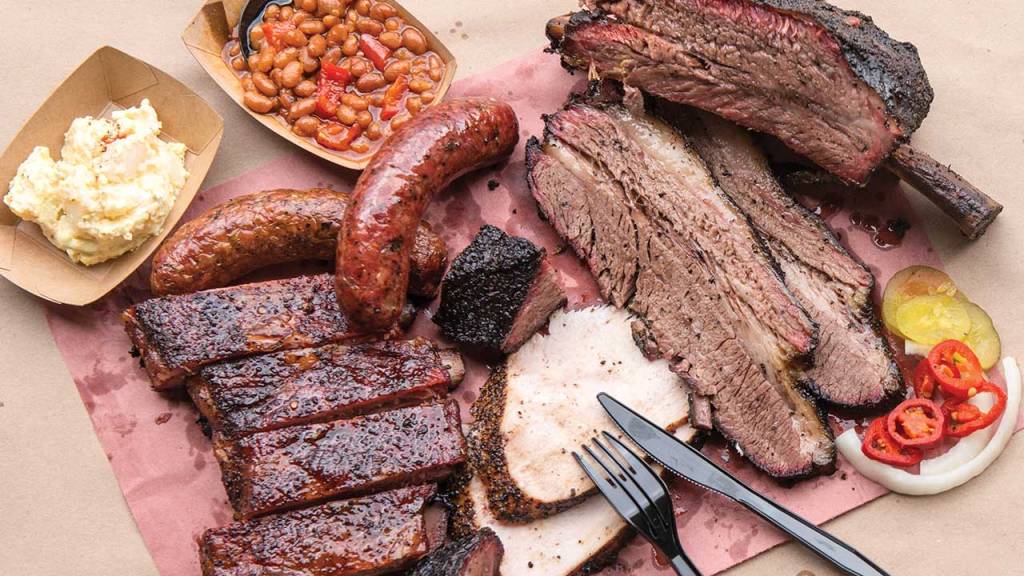
Barbeque has since grown to be one of the most defining cuisines of the United States and has many different varieties separated by region. The most popular meat used to barbeque is pork, however beef is also used in certain regions. The biggest differences in barbeque from region to region is the seasoning or sauces used on the meats, however the meat itself can also be a defining factor for a region.
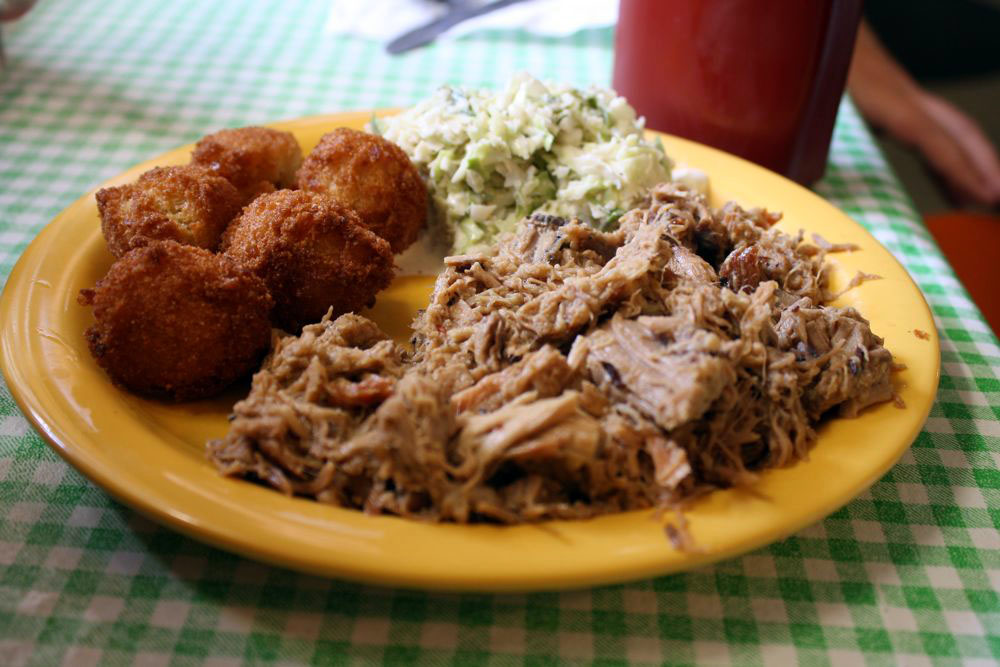
South Carolina style barbeque traditionally uses pork as the meat, served pulled, chopped or shredded. However the defining characteristic for this style is the use of all four types of barbeque sauces: mustard-based, vinegar-based, and light and heavy tomato-based.
North Carolina style barbeque is characterized by the use of pork, usually pulled pork as the base meat. The sauces depend on the sub-regions in North Carolina. Eastern North Carolina uses vinegar-based sauces, central North Carolina uses a combination of ketchup and vinegar-based sauce. The western part of the state uses a heavier ketchup-based sauce.
Memphis style barbeque uses pork ribs primarily as the base meat, however pulled pork sandwiches are also popular here. They are best known for tomato and vinegar-based sauces, however in some places, they use dry rubs instead of sauce and is smoked over hickory wood.
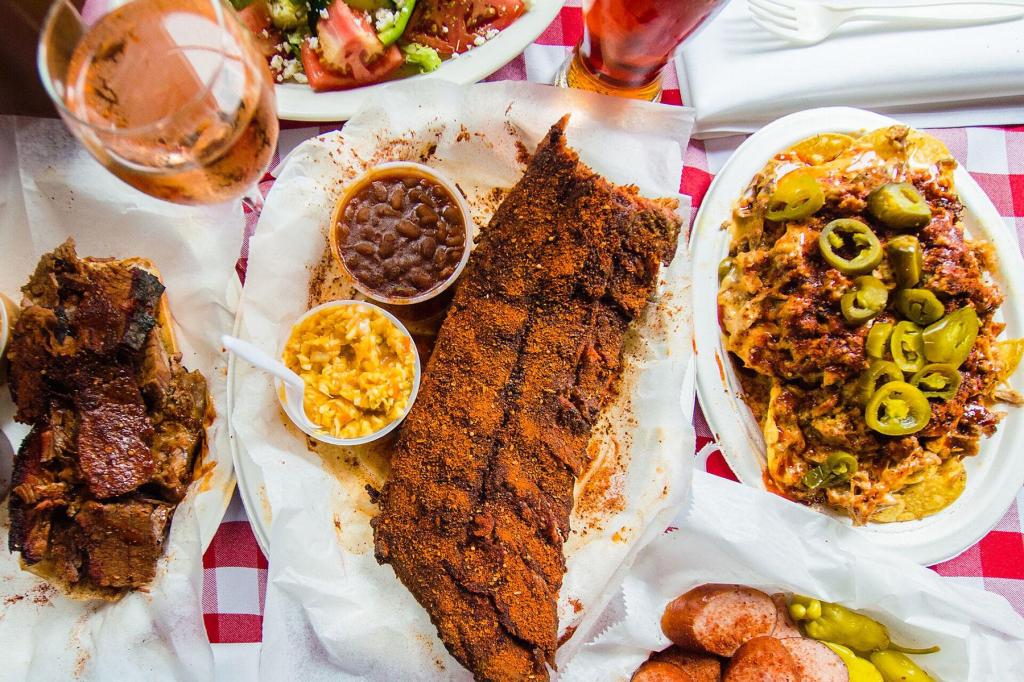
The main characterization for Kansas City barbeque is the wide variety of meats they use. The main meats used in Kansas City barbeque are pork, beef, and lamb. The meat is smoked with a dry rub, and then served with a side of thick tomato-based barbeque sauce on the table.
Texas style barbeque traditionally uses pork or beef for the meat, and are really known for barbeque beef brisket. However the styles differ based on sub-regions within the state. East Texas is characterized by long, slow roasting of the meat over hickory wood and is served with a sweet tomato-based sauce. Central Texas is characterized by the meat being rubbed and then smoked over mesquite wood and served without sauce or with the sauce on the side. West Texas style barbeque is cooked over direct heat from mesquite wood. South Texas style barbeque is marinated in a thick sauce meant to keep the meat moist after cooking it.
As you can see, the complexity of barbeque in the United States is vast, and grouping each variation together is problematic because there are many differences between each style. Barbequing is probably the United States most traditional cooking form still used today, having roots that precede the colonization of this land. When thinking of “United States Cuisine” this should be at the top of the list, however a lot of the time it isn’t. When I ask people from other countries what their view of American food is, usually it’s hamburgers and hotdogs. This is our fault, as Americans we focus too much on convenience and quickness, this leads people to believe that that’s what we’re all about. I want to show that we are more complex than that, that we have a rich history and culinary tradition. And I think we should celebrate that.
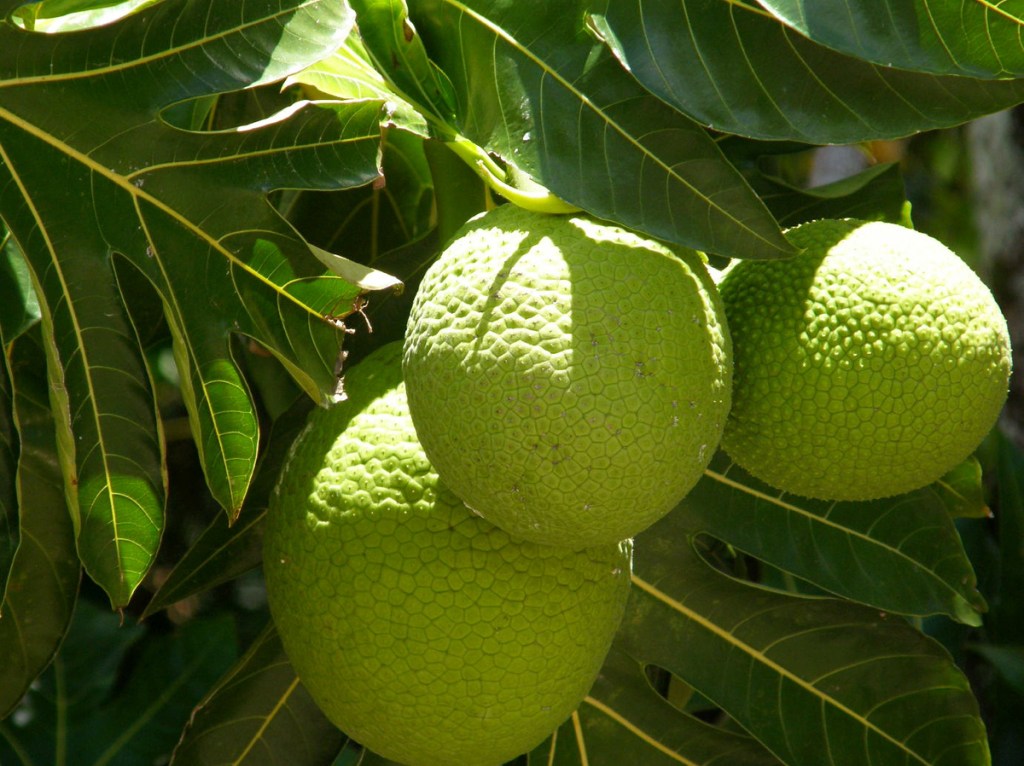
One afternoon, as I was relaxing on my day off, I received a very emphatic text from one of my work friends. We had been developing a menu based off foods that usually aren’t found in American restaurants. He told me that one of our other coworkers, who is Jamaican, told him about this fruit that tasted more like bread or a potato than sweet like most other fruits. It was called a breadfruit and was something that had flown totally under my radar, but was a staple in other parts of the world. A fruit that is vital to the survival of thousands of people in the Caribbean and Polynesia.
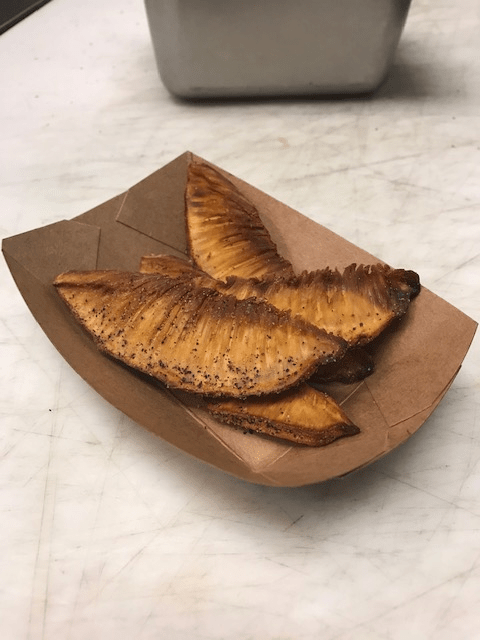
Naturally, I was intrigued and wanted to taste it as soon as I could. So after a week of looking, we finally found a supermarket that sold breadfruit and we bought one. We first baked it until it was tender and tried that out. After tasting it that way we decided to deep fry it and salt it. The flavor of this fruit if very unique, it tastes very hearty, almost like a potato. There is a hint of a raisin flavor as well with a slight bitterness at the end. (Probably because our breadfruit was a little under-ripe.) It is unlike any fruit I have ever had, and the nutrients packed in it are outstanding. It has a high amount of carbohydrates and protein, as well as a high dose of vital vitamins and minerals such as Vitamin C and Potassium. The fact that it is very nutrient dense is the reason why it is a staple in the many equatorial countries it is grown.
Slices of breadfruit that we fried and salted.
The breadfruit plant is native to the Philippines and New Guinea, but was spread throughout Polynesia when the first Polynesians set out to inhabit the islands of the Pacific. The plant was taken as a source of food for these early explorers on their search for new lands and then planted once they reached their destinations. Because of this, breadfruit is now found on every island from New Guinea to Hawaii. This shows just how important this fruit was to these people and how much they relied on it for food. The canoes and ships that were used in these expeditions were not very big, so packing only the essentials was key. Breadfruit was one of these items they deemed essential. A story in Hawaiian folklore shows just how important this fruit was to them culturally:
The god of war Ku, was living as a mortal with his family when a famine arose. To end the famine for his family, he had to leave and never come back. Every day the family wept in the spot they last saw him. After days of doing this, a plant sprouted from the spot and grew into a breadfruit tree, thus ending the famine and saving Ku’s wife and children from starvation.
As is shown from this story, the breadfruit plant was seen as a gift from the gods, saving humans from starvation on otherwise desolate islands. Even today, breadfruit is a popular food eaten in this area of the world, especially by the native Hawaiians in the dish poi, in which they sometimes substitute tarot root for breadfruit.
Breadfruit found its way to the Caribbean in 1796, when slave traders saw the potential for this fruit to feed large amounts of people for cheap. They transported these trees to Jamaica, one of the trade hubs for the slave trade where slaves would be dropped off in exchange for raw goods like sugarcane and chocolate which were sent back to Europe. The slave trade has long since ended, but the utility of the breadfruit in the Caribbean still endures today. Dishes in the Caribbean include flan de pana, and tostones. It is also boiled in soups as well as eaten raw in salads.
The breadfruit is a very important food for people living on islands around the equator. It was thought to be a gift from the gods that allowed Polynesians to inhabit the many islands of the Pacific, and was brought along on every sea voyage they went on. Despite its early use as a food source for slaves in the Caribbean, people living there now rely on the breadfruit as a staple food to feed their families and have created many dishes using the fruit. In my journey to discover and learn about foods I haven’t had exposure to, the breadfruit is one of the most interesting to me currently. With such a rich history and cultural importance, I believe more people should know about it and try it, so maybe they can learn something and connect to a culture other than their own.
1. Shannon Wianecki (May–June 2013). “Breadfruit”. Maui Nō Ka ʻOi Magazine, Haynes Publishing Group. Retrieved 17 January 2017
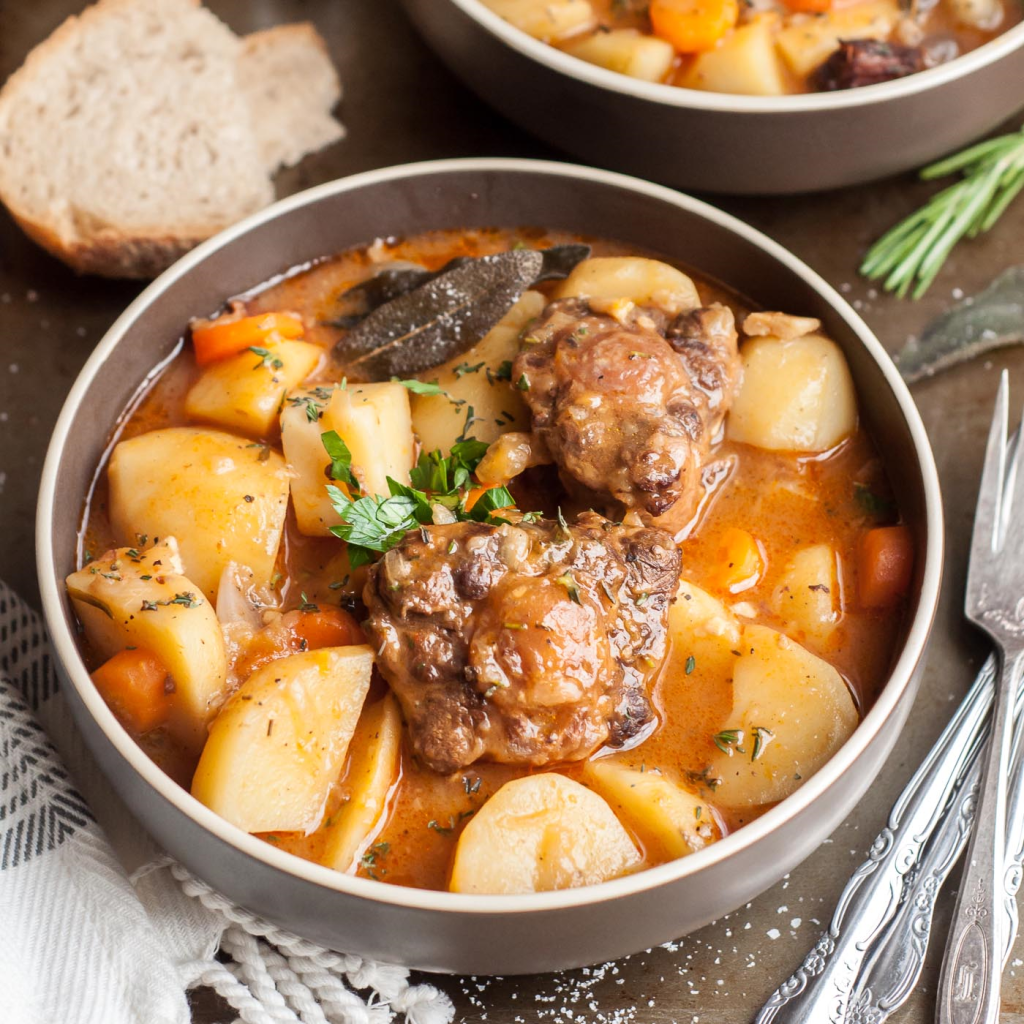
When trying to decide what to write about this week, I had a hard time picking a topic. With the protests going on calling for police reform and justice for centuries of racism and discrimination against the black community, writing a blog about food seemed….insignificant. But as I always try to do here on The Cultural Chef, I intend to use food to achieve a larger goal, or touch on a deeper subject. That’s why this week in my regional foods series, I’m going to talk about Oxtail Stew, a traditional African-American dish. I hope this post achieves my goal to be a celebration of African- American culture, and as always, if I get something wrong I welcome corrections and criticism.
Oxtail Stew is the product of hard times and dates back to the 1700s. Often one of the only parts left over of the cow, the tail would be utilized by slaves in the south to feed everyone. Most recipes that I can find now include onions, carrots, celery, and tomato sauce along with beef broth all mixed up with the oxtails to make the stew. As with all stews, it is cooked for a very long time and is done when the meat from the tail falls off the bone. Because the entire tail is stewed, the collagen in the tail bones acts as a thickening agent so no artificial thickening is needed. This again shows how people will adapt to their environments and given situations and make something unique and delicious from it. Personally, I’ve always loved and been fascinated by stews. They represent both simplicity and complexity. They’re simple to cook, as you just throw everything into a pot and wait. But complex in the flavor that this cooking technique creates. Stews are also really good at feeding a lot of people on relatively small amounts of ingredients. One pound of meat in a stew goes a lot further than one pound of steaks does.
For so many people, especially in northern states, soul food consists of fried chicken and barbecue. And while those are the most popular dishes, there are so many more dishes that make up soul food and give it so much more depth. One commonality in soul food is taking less-than-desirable cuts of meats and making something absolutely amazing out of it. The ribs on any animal are usually seen as tough and inedible, but BBQ ribs are fantastic and as tender as any other cut of pork. The legs and thighs of chickens used to be thrown out and used for scrap food, but seasoned and battered they’re delicious. In the United States, soul food has the most stories to tell. It’s history goes deep and in my opinion you can’t fully understand the US without knowing those stories as well. The stories of the oppressed and impoverished are just as, if not more important than what the history books tell us. As a white male, I will never understand what it is like to be black, or any other minority living in the United States for that matter. However my aim is to be an ally for them and a tool that they can use to help them gain REAL equality. Whether it is using my platform to spread black culture or speak out against injustice. Even if it is just to sit and listen. This issue is specifically one where I think we can use food as a tool for healing. Not just by eating it, but by using it as a tool for understanding and care for one another.
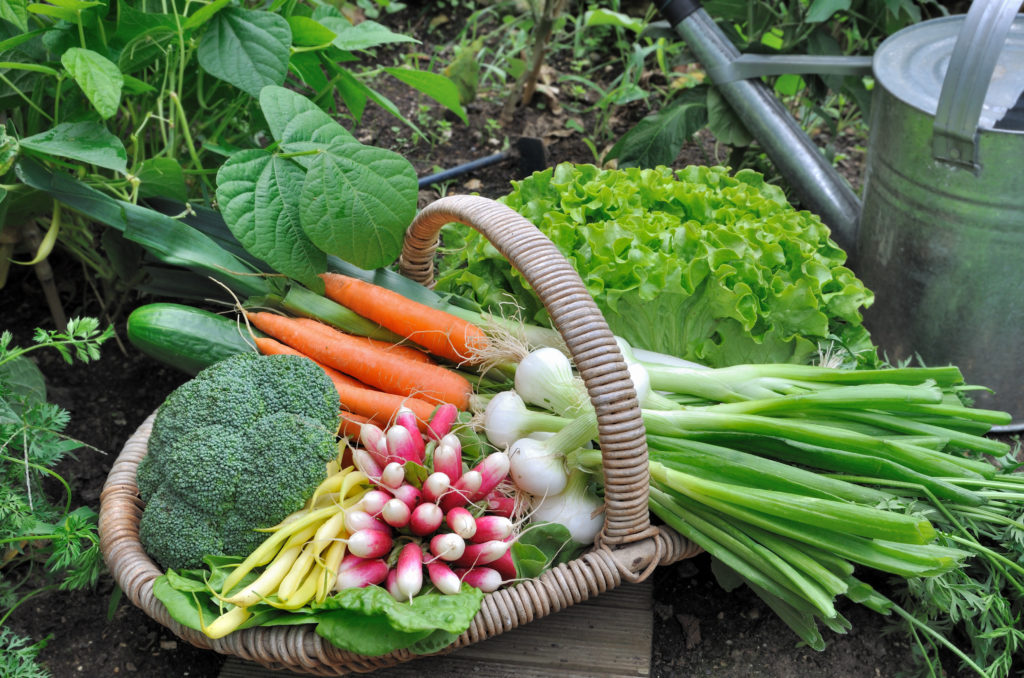
When I was in college, I had a hard time deciding what I wanted to study. I started out in biology, but after a few semesters lost interest. The actual classes on biology I loved, but the other classes I had to take like Chemistry and Physics, I had a hard time caring about. I also felt like my skills weren’t best utilized studying cells or a specific kind of animal. That’s when I discovered Anthropology and Environmental Science and realized that these were the things I had been interested in all along. Both fields of study take a holistic approach to the subject matter, and therefore, in many ways overlap with each other. In this way, my love of all things natural and all things human could intermingle with each other. I could discover new connections between the two that I hadn’t thought of before. I could search for the answer to the question “what makes us human?” One such connection is our connection to food. Food is the point where humans and nature interact directly, and this is why I decided to pursue a culinary degree as well. Our interactions with food include three things, cooking it and growing it/hunting it, and eating it. In this particular case I will focus on growing and cooking food, as I have touched on hunting in a previous post.
Humans started growing their own food on a large scale during the agricultural revolution since around 10,000 BCE and cooking it since even earlier. This was a huge move from being nomadic hunter-gatherers to stationary farmers and is what allowed villages and cities to start forming. We have now taken that mindset to the extreme. Instead of individual town farmers growing for their own people, we have massive corporations feeding entire nations. You can go to a grocery store in New York and get the same corn as you’d get in a grocery store in California. But there are still some of us who would prefer to grow our own food and cook using ingredients that we know exactly where they came from. For me, the idea to start an indoor garden in the closet in my apartment didn’t stem from a love of gardening so much as it was from wanting to connect to the ingredients I was cooking with.
I think that gardening and cooking are two of the most human things someone can do. It is what sets us apart as a species, conceptually, from other animals. What other animal can take some seeds, plant them in the ground and nurture them until they are ready to be consumed? And then on top of that, takes all those different plants and creates something totally new from them? This is the connection that I think is important to have. From when you first saw the plant as a seed, all the way until you stab at it on your plate. You KNOW this plant. You know exactly how its been taken care of, how long it’s been since it’s been harvested. And in my experience, you enjoy it more and are more proud of it than something you pick up at a grocery store. You want to share what you’ve raised and then cooked in the kitchen with friends and family so you invite them over and cook for them. This brings back community and togetherness in a time of individualism and isolation.
This isn’t a call for everyone to get out and start a garden, not everyone has the means or the want to do so. But if we can get more people doing this, I think it would be a start to a better future. This is how food cultures are formed, from people who understand their food and where it comes from and sharing it with others. I want to make people as excited about food as I am. I think food should be more than just nutrients needed to live. It should be a cultural expression, a creative expression. For me, gardening deepens the meaning behind food and helps create a story behind a dish. It makes food more than just food.






 The Cultural Chef